Gothic Capes for Halloween: How to Style a Cape
A gothic cape is the fastest way to turn an all-black outfit into a Halloween statement — or a dramatic everyday look. This guide explains the difference between capes and cloaks, four styling formulas for Halloween and beyond, the fit checks that keep you out of “costume” territory, and care tips that keep velvet and faux leather dark for years.
Cape vs. Cloak: What’s the Actual Difference?
People use the words interchangeably, but there is a real distinction. A cape is typically shorter — hip to knee length — and worn over the shoulders as a statement layer. A cloak is longer, often ankle-length, usually hooded, and fully wraps the body. In gothic fashion the line blurs constantly: most “gothic capes” sold today are hooded, near-floor-length pieces that are technically cloaks. For shopping purposes, don’t get hung up on the label. Focus on length, hood, and closure instead — those three details decide how the piece actually looks on you.
How to Style a Gothic Cape for Halloween
Halloween is cape season. With the holiday days away, this is the one garment that does the heavy lifting in any dark costume — but the difference between “striking” and “party-store costume” comes down to what you wear underneath it.
The Vampire Look
The vampire cape is the classic for a reason: high collar or deep hood, long sweeping lines, all black or black-and-red. The trick is contrast — wear something fitted and simple underneath (black turtleneck, slim trousers or a slip dress) so the cape provides all the drama. Add one sharp accessory, like a hooded gothic cape with a structured drape, and skip the plastic fangs-and-cape sets entirely. Real fabric always photographs better than costume-shop polyester.
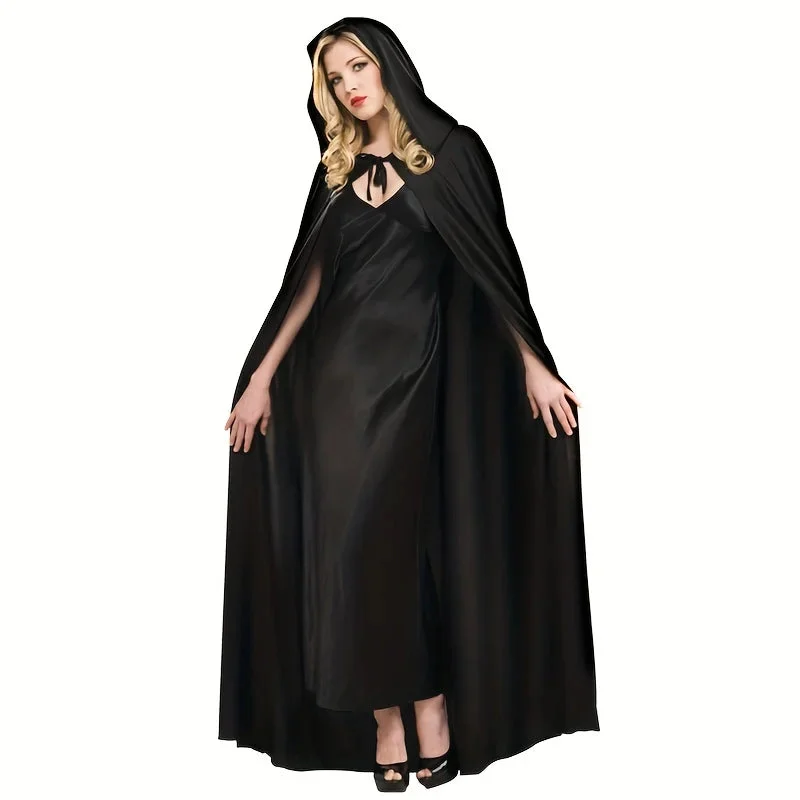
For a full dark-romantic build, pair the look with the styling notes in our vampire goth aesthetic guide — velvet textures and antique jewelry do more for the illusion than any makeup kit.
The Witchy Hooded Cape
A hooded cloak is the backbone of the modern witch outfit, and it works precisely because it hides as much as it shows. Layer it over a long black dress or skirt, let the hood sit back on the head rather than pulled fully forward, and finish with boots and layered necklaces. The most common mistake, according to r/GothicFashion regulars, is pairing the cape with a pointy hat, striped tights, and broomstick props all at once — pick one witchy signal, not five. Our witchy gothic style guide breaks down the one-statement rule in detail.
The Modern Street-Goth Cape
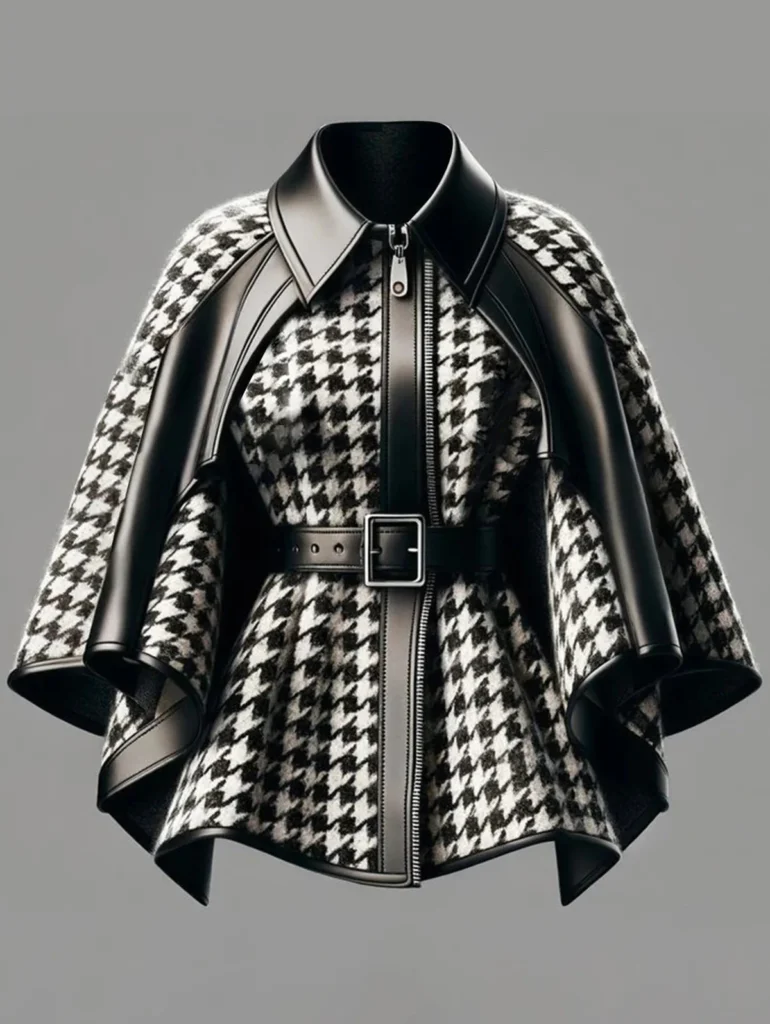
Not every cape has to read “costume.” Structured cape-jackets with buckles, houndstooth weaves, or tailored shoulders work as outerwear. Throw one over a band tee, black jeans, and boots, and it reads as fashion rather than fancy dress. The key is structure: a houndstooth gothic cape jacket with defined shoulders and hardware looks intentional on the street, while a shapeless rectangle of thin fabric does not.
4 Everyday Gothic Cape Outfits (No Costume Needed)
Capes earn their closet space when they work beyond October 31st. Four formulas that hold up year-round:
1. Cape + turtleneck + wide-leg trousers. The monochrome base lets the cape’s silhouette do the talking. Best with mid-length capes that end at the hip or thigh.
2. Cloak + slip dress + chunky boots. The romantic-goth uniform. A long hooded cloak over a simple dress balances softness and edge, and the boots keep it grounded.
3. Cape-jacket + band tee + ripped jeans. The casual formula. Structured cape-jackets function like a statement blazer — hardware and tailoring keep it from reading as a costume.
4. Long cloak + all-black winter layers. In cold months a heavy cloak replaces your coat entirely. Layer a sweater and scarf underneath; the cloak traps warmth surprisingly well because there are no gaps at the front if it closes properly.
If you’re building a Halloween look from pieces you already own, our last-minute Halloween costume ideas show how a single cape can anchor five different characters.
Buying a Cape: 5 Fit Checks
Cape reviews are full of the same complaints. Run through these before you buy:
1. Check the length against your height. The number-one Amazon complaint is a “floor-length” cloak that hits mid-calf on anyone over 5’7″. If the listing gives no model height or garment measurements, assume it runs short.
2. Look for arm slits or openings. A cape with no way to free your hands is miserable to actually wear — you can’t hold a drink, check your phone, or open a door. Slits or a front closure you can fasten loosely solve this.
3. Test the hood weight. Heavy hoods pull the whole garment backward off your shoulders. A clasp, chain, or button at the neck keeps everything anchored.
4. Inspect the closure hardware. Cheap toggles and thin chains are the first thing to break, and reviewers mention it constantly. Metal clasps and reinforced stitching at stress points are worth paying for.
5. Feel the fabric weight. Thin, shiny polyester is what makes a cape look like a costume. Heavier weaves — wool blends, thick velvet, lined cotton — drape properly and photograph dramatically better.
How to Care for a Gothic Cape
Capes are simple garments, which makes them easy to care for — with two exceptions. Velvet crushes if folded: always hang velvet capes, ideally on a wide padded hanger, and steam (never iron) wrinkles out. Faux fur trim mats if washed aggressively: spot-clean it, brush it out when dry, and keep it away from direct heat. For wool-blend and cotton capes, a garment bag in the closet protects against dust and moths between Halloweens. Leather-look pieces like a black leather gothic cloak jacket need the same treatment as any faux leather — wipe clean, condition lightly, and never machine wash.

Cape Styling FAQ
Can you wear a cape casually without looking like you’re in costume?
Yes — the rule is structure plus simplicity. A tailored cape or cape-jacket over plain black basics reads as fashion. A shapeless, shiny, full-length cloak over a graphic tee reads as costume. Keep the rest of the outfit quiet and let the cape be the single statement.
How long should a gothic cape be?
For everyday wear, hip to knee length is the most versatile — dramatic without tripping you. For Halloween or formal dark looks, ankle length gives maximum impact. Whatever the style, check actual garment measurements against your height; “one size” capes routinely run short on taller wearers.
Cape or cloak for a vampire Halloween costume?
Either works, but a long hooded cloak with a high collar sells the vampire look fastest. Prioritize heavy fabric and a secure neck closure — cheap thin capes collapse instead of sweeping, which kills the effect in photos. Coordinating with a partner? See our gothic couples Halloween costumes for duo ideas built around caped characters.
1 Comment