Gothic Faux Fur Jackets: How to Style Dark Fur Coats
A gothic faux fur jacket works when the fur is the single statement piece and the rest of the outfit stays dark and simple. Choose dense pile that does not shed, style it with black basics, and brush it weekly to stop matting. This guide covers three dark fur styles, outfit formulas, buying red flags, and care.
Why Faux Fur Belongs in a Gothic Wardrobe
Faux fur does something no other winter fabric can: it adds texture to an all-black outfit without adding color. A flat black wardrobe can look one-dimensional in winter photos; a fur collar or full fur coat breaks the surface and catches light. That contrast is why fur keeps showing up in goth, romantic goth, and vampire-inspired winter looks year after year.
There is also a community norm worth knowing. In goth spaces, faux fur is the expected choice — wearing real fur to a goth event will get you called out, not admired. Vintage real fur gets a complicated pass from some, but new faux fur is the safe, respected default.
Three Dark Faux Fur Styles Worth Buying
Not all faux fur reads gothic. Beige teddy coats and pastel cropped furs belong to a different aesthetic. These three stay on the dark side: black pile, structured cuts, and hardware or leather that ties them to the rest of a goth wardrobe.
The Classic Black Faux Fur Coat
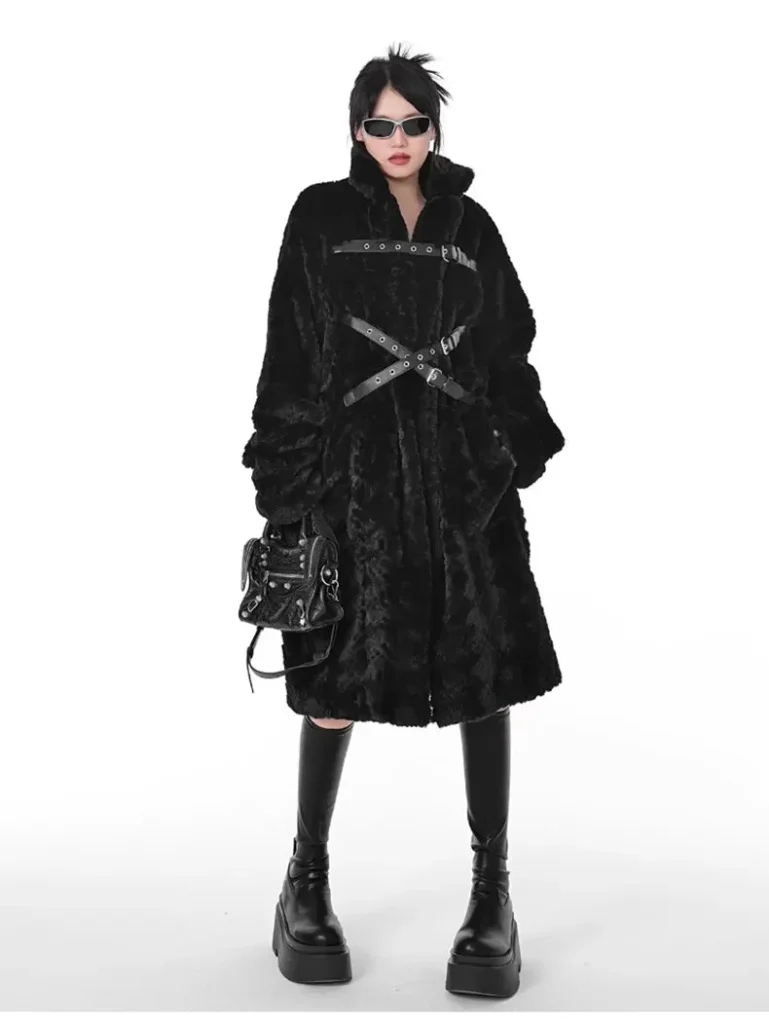
The full-length black faux fur coat is the romantic goth winter uniform. Long pile, a shawl or notch collar, and a straight cut that layers over dresses and long skirts. It works because the silhouette is dramatic while the color stays disciplined — one color, one texture, maximum presence.
Check pile density before you buy: part the fur with your fingers and look at the backing. If you can see wide gaps of backing, the pile is thin and will look cheap in daylight. The Faux Fur Coat keeps the classic long black silhouette that anchors dark winter outfits.
The Statement Frost Fang Fur Jacket
A shorter, wilder fur jacket suits streetwear-leaning goth looks better than a formal long coat. Cropped or hip-length fur with an untamed pile pairs with ripped black jeans, band tees, and platform boots.
Gray and black marled fur reads gothic without the full vampire-lord commitment of a floor-length coat. The Frost Fang Gothic Fur Jacket delivers that wilder statement pile in a wearable jacket length.

The Fur-Lined Leather Shearling
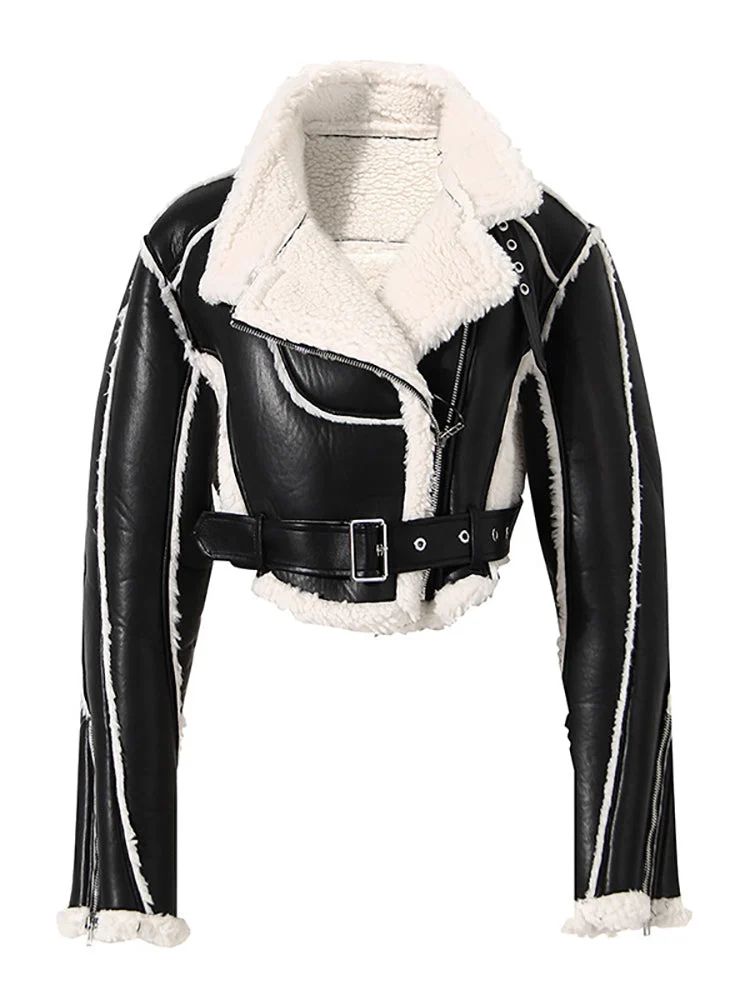
Fur-trimmed leather is the most low-maintenance entry point. The fur appears at the collar, cuffs, or lining while leather handles the structure and weather resistance. You get the texture contrast with far less shedding, and the jacket reads moto-goth rather than romantic goth.
This style layers best with the rest of a leather-heavy wardrobe — see our gothic leather jacket guide for pairing rules. The Fur Lined Leather Shearling Jacket combines a PU leather shell with a warm fur collar and lining for deep winter.
How to Style Faux Fur Without Looking Overdone
The rule is one fur piece per outfit. A fur coat plus a fur-trimmed bag plus furry boots tips into costume. Let the fur be the loud thing and keep everything else quiet: black jeans or a black midi skirt, a plain top, simple boots.
Balance volume on top with slimness below. A big fur coat over wide-leg trousers swallows your frame; over skinny jeans or leggings and heeled boots, the proportions work. For evening looks, fur over a slip dress with tights is the classic romantic goth formula — the fur does the drama so the dress can stay simple.
Keep accessories minimal and matte. Fur already reflects light, so shiny jewelry or patent leather stacked alongside it creates visual noise. Matte black boots, a simple choker, and dark nails are enough. For full cold-weather outfit planning, our gothic winter dressing guide covers layering without losing the dark aesthetic.
Buying Red Flags
Cheap faux fur fails in predictable ways, and review sections across marketplaces tell the same story. Excessive shedding is the number one complaint: fur that leaves lint across every black garment you own within the first wears. Some shedding in the first week is normal as loose fibers release, but if it is still heavy after a month, the pile-to-backing bond is poor and it will not improve.
A strong chemical or plastic smell on arrival is the second flag. Air it outside for a day or two; if the smell persists after airing, the dyes or backing were cheap and it may irritate skin at the collar. Matting at friction zones — the collar, underarms, and where a bag strap crosses — within weeks signals low-grade fiber. And check the cut: many budget fur coats run boxy and oversized, which reads sloppy rather than dramatic on smaller frames.
Price honesty matters too. A twenty-dollar full-length fur coat is thin pile on a weak backing, and it photographs flat. Mid-range faux fur with dense pile holds its shape for seasons; the bargain version looks tired by February.
Faux Fur Care: Stop Shedding and Matting
Friction is the main enemy. It causes shedding, matting, and the dull patches at the collar and underarms. Reduce it: take the coat off before long sits, carry a clutch instead of a shoulder bag when wearing fur, and hang the coat with space around it so it does not rub neighboring garments.
Brush the fur weekly during wearing season with a pet slicker brush or wide-tooth comb, always in the direction of the pile. This prevents the tangles that turn into mats. Never use fabric softener or dryer sheets on faux fur — they coat the fibers and accelerate matting. Spot-clean stains with cold water and mild soap; full washes should happen at most once a season, and only if the label allows it. Never machine dry.
Store the coat on a wide padded hanger in a breathable cotton garment bag, never folded long-term and never in plastic. If the pile goes flat, hang the coat in a steamy bathroom for ten minutes, then brush it out — the steam relaxes the fibers without the damage of direct heat. Shake the coat out after each wear; that thirty-second habit does more for longevity than most products. Velvet needs similar texture-first care, as our velvet jacket guide explains.
FAQ
Will a faux fur coat keep me warm?
Yes, if the pile is dense — trapped air between fibers is what insulates. Thin cheap pile lets wind cut straight through, so layer a sweater underneath regardless. Fur-lined leather styles block wind better than pile-only coats.
How do I stop my faux fur jacket from shedding?
Reduce friction, brush weekly with a slicker brush, and wash rarely. Initial shedding in the first week is normal. If heavy shedding continues past a month of wear, the manufacturing bond is weak and care will not fix it.
Can you wear faux fur in the rain?
Brief rain is fine — shake off the water and air-dry away from heat. Prolonged soaking mats the pile and can mildew the backing, so switch to a proper waterproof layer in real downpours.