How to Keep Black Gothic Clothes Black: Stop Fading, Wash & Care Guide
Black gothic clothes fade when heat, detergent, friction, and sunlight strip dye from the fabric. Wash them inside out in cold water with a detergent made for darks, skip the dryer, and dry them away from direct sun. Wash less often, spot-clean small marks, and treat leather and prints differently from cotton.
Why Black Clothes Fade So Fast
Black dye, especially on cotton and denim, often sits near the surface of the fibre rather than bonding deep inside it, so every wash loosens a little more. Hot water opens fibres and lets dye escape, harsh detergents strip colour, tumbling rubs fabric against fabric, and sunlight breaks dye down on the line.
For a goth wardrobe the problem is worse, because almost everything is black. A faded tee next to a new black jacket looks grey by comparison, and jeans gone ashy at the knees drag the whole outfit down. Most fading is preventable, though: it is a wash routine problem, not a quality problem.
The Wash Routine That Keeps Black Black
These seven rules cover nearly every black item in a dark wardrobe. They are simple, they cost nothing, and they work from the very first wash.
1. Always wash cold and inside out
Cold water, at or below 30°C, is the single biggest change you can make. Heat is the main driver of dye loss, so cold washes slow fading dramatically compared with warm or hot cycles. Turning garments inside out protects the outer face from friction and abrasion in the drum, which is where most visible fading happens.
Fasten zips and buttons before washing, and keep the load to dark clothes only. Washing black items with light colours risks dye transfer and adds needless friction.
2. Use a detergent made for darks, and use less of it
Choose a liquid detergent formulated for dark fabrics, and skip anything with bleach or optical brighteners. Brighteners are designed to make whites look whiter, and they do that by adding a bluish cast that dulls black. More detergent does not mean cleaner clothes: excess detergent leaves alkaline residue on fibres, which accelerates fading and makes fabric feel stiff.
Use the dose for a normal load, not a heavy one, and never add fabric softener to black cotton. Softener coats fibres, attracts lint, and dulls the surface of the fabric over time.
3. Wash less often and spot-clean instead
The most common complaint in dark-fashion communities is simple: favourite black pieces fade because they are washed after every single wear. Most black clothes do not need that: jeans and jackets can go several wears between washes, and tees worn briefly often just need airing out.
For small marks, dab with a little mild detergent and cold water instead of running a full cycle.
4. Choose a gentle cycle and a low spin
A gentle cycle with a low spin reduces the tumbling that wears dye off the surface. Do not overload the machine: clothes packed tight rub harder against each other.
Three Black Staples and How to Care for Each
Different fabrics need different care, even when they are all black.
Black cotton tees: the everyday fade risk
Black tees fade fastest because they are washed most often. Wash them cold and inside out, as above, and dry them flat or on a hanger indoors rather than in direct sun. Sunlight is a quiet culprit: a tee left on a sunny line fades on the shoulders first, which is exactly where fading shows most.
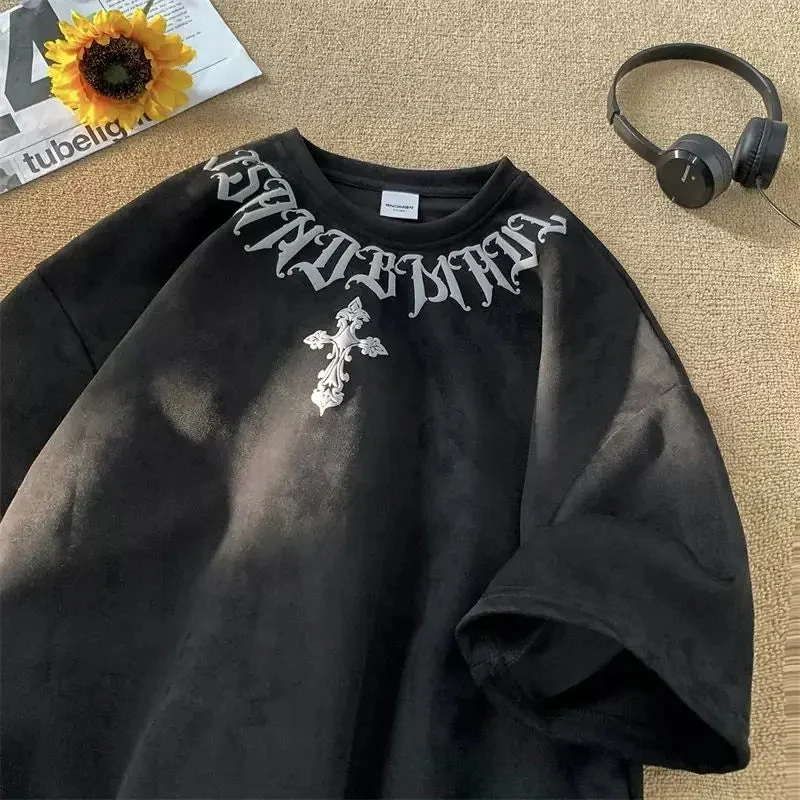
The Men’s T-Shirt is the kind of everyday black tee this routine protects: a dark graphic tee that anchors jeans, leather pants, and jackets.
Black jeans: cold water, gentle handling, no dryer
Black denim is notorious for turning grey at the knees, seat, and hems. The dye sits on the surface of the yarn, so heat and friction strip it fast. Wash black jeans only when they need it, always cold and inside out, and never tumble-dry them. Air-dry them flat or hung in the shade, away from radiators and direct sunlight.
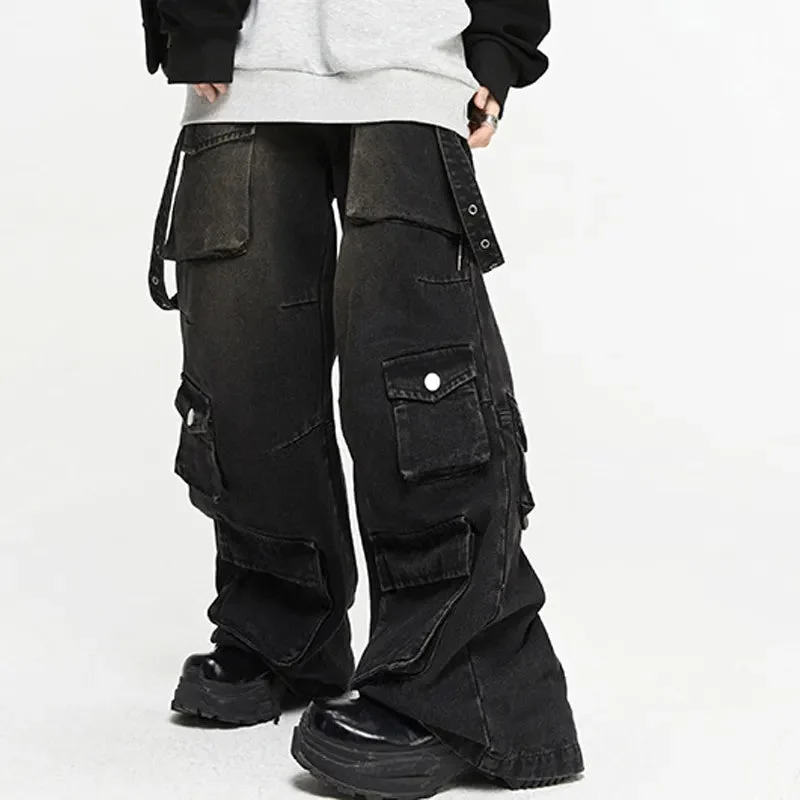
The Men’s Vintage Jeans show why this matters: vintage-style black denim looks best with its depth intact.
Black faux leather: do not machine wash at all
Faux leather is the exception to every wash rule above, because it should not go in the washing machine at all. Heat and detergent crack and peel the surface, and a tumble dryer ruins it completely. Wipe faux leather clean with a damp cloth, let it air-dry away from heat, and condition it occasionally with a product made for faux leather to keep it supple.
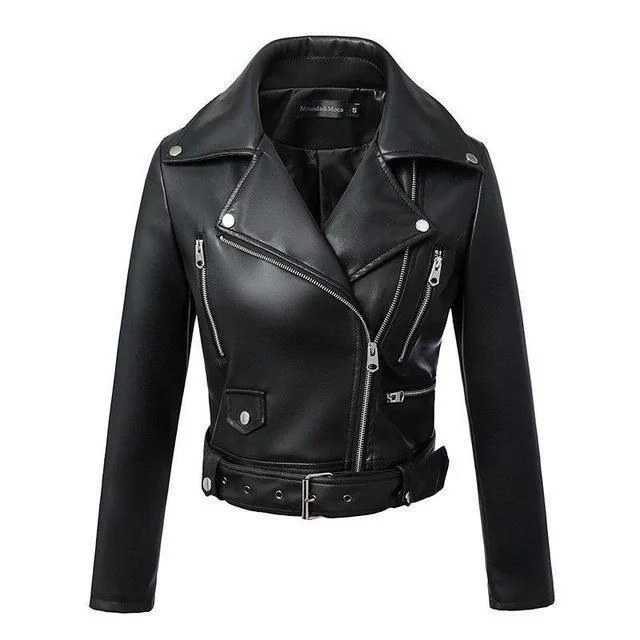
The Black Leather Jacket shows why this matters: a jacket that never sees a washing machine keeps its deep black finish for years, while one hot wash can crack the coating permanently.
Vinegar, Salt, and Coffee: What Actually Helps
Two old laundry tricks come up constantly in dark-clothing advice, and both deserve an honest verdict. A vinegar rinse, about half a cup of white vinegar in the rinse cycle, helps remove alkaline detergent residue and can help new garments hold their dye a little better. A salt soak on brand-new jeans may do the same. Neither one will restore a heavily faded garment to jet black, and neither replaces cold washing.
Coffee and black tea rinses work differently: their tannins add a slight warm tint that can make faded black look richer for a few washes. The effect is subtle and temporary. If a garment is already light grey, the honest options are re-dyeing it or accepting the faded look.
Drying and Storage: The Forgotten Half of Fading
Many people wash perfectly and then undo the work while drying. Tumble dryers combine heat and friction, the two worst fading forces, so air-dry black clothes inside out in the shade, never on a radiator or in direct sun. For storage, keep them in a dark closet, since months of daylight fade even unworn garments.
Lint is the other storage enemy of black clothing: keep a lint roller by the closet and wash black loads separately so light lint does not transfer.
FAQ: Keeping Black Gothic Clothes Black
Does vinegar really stop black clothes from fading?
Partly. A vinegar rinse removes detergent residue and may help new dye stay put, but it cannot undo fading. Cold water and less frequent washing matter far more.
How often should I wash black jeans?
Only when they smell, are stained, or have lost their shape. For most wearers that means every four to six wears, with spot-cleaning and airing in between. Fewer washes is the simplest way to keep black denim dark.
Can faded black clothes be restored to full black?
Not fully without dye. Coffee or tea rinses add temporary depth, and a proper black fabric dye can restore colour well if you follow the instructions and rinse thoroughly. Prevention is far easier than restoration, which is why the wash routine matters so much.
Keeping black gothic clothes black comes down to one habit: treat every wash as a small amount of dye loss, and make each wash gentler. Cold water, inside-out loads, detergent for darks, and shade drying keep the wardrobe looking like the day you bought it.