How to Store Gothic Clothing: Leather, Velvet & Corsets Without Damage
Store gothic clothing clean, dry, and breathing: hang leather jackets on wide wooden hangers, hang or roll velvet to prevent crush marks, and lay corsets flat with the laces loosened. Never seal dark clothes in plastic bags, and never pack anything away dirty, damp, or folded under heavy weight.
Gothic wardrobes are harder on storage than ordinary clothes. Leather cracks, velvet crushes, corset busks bend, and black dye shows every mistake. Most damage people blame on “cheap quality” actually happens in the closet between seasons — and almost all of it is preventable.
The Golden Rules Before Anything Goes Away
Four rules cover nearly every gothic piece you own.
1. Clean before you store, never after
Stains, sweat, and body oil keep working while a garment sits untouched. Sweat salts weaken fibres, perfume yellows fabric, and food marks attract insects. Wash or spot-clean washable pieces and wipe leather down before packing it away. If a piece already smells musty, air it for a day first.
2. Cool, dry, and dark beats airtight
The ideal spot is a cool bedroom closet, not a hot attic or a damp basement. Heat dries leather out; dampness breeds mould, which shows up fast on black fabric. Darkness matters too, because sunlight fades black dye to a dusty grey-brown, even through a window.
3. Let fabrics breathe
Plastic bags and vacuum-sealed packs are the single most common storage mistake. Leather needs air circulation or it dries and cracks; trapped moisture under plastic encourages mould. Use breathable cotton garment bags for hanging pieces, and plain cardboard boxes for folded items. Cedar blocks help against moths, but keep them from touching the fabric.
4. Never store anything under weight
A heavy coat tossed on top of a velvet jacket crushes the nap. A corset folded under a pile of jeans bends its busk. Give each statement piece its own space, with the heaviest items at the bottom and the delicate ones on top.
How to Store a Leather Jacket
Leather is forgiving if you respect two things: it needs moisture balance and it hates being folded. A jacket creased for six months may never hang straight again.

Wipe the jacket with a slightly damp cloth, then let it air-dry fully away from radiators. If the leather feels dry or papery, apply a thin layer of conditioner and let it absorb overnight — conditioning before storage matters far more than conditioning when you take it out again, because dry leather cracks while it waits.
Hang the jacket on a wide, sturdy wooden hanger that supports the shoulders, never on a thin wire hanger that leaves dents. A piece like the Raven Relic Gothic Leather Jacket deserves that support, since its shape comes from the cut of the shoulders. Close the zip halfway and cover it with a breathable cotton garment bag.
Leather storage mistakes to avoid
Do not hang leather in a plastic dry-cleaning bag or fold it into a suitcase for months. If the jacket gets wet, blot it dry and let it air-dry naturally — never use a hair dryer or a radiator, which shrink and stiffen the hide.
How to Store Velvet Without Crush Marks
Velvet’s beauty is its nap, the soft raised pile that catches the light. Its weakness is the same thing: anything pressed against it for weeks leaves a shiny, flattened patch that is very hard to reverse.
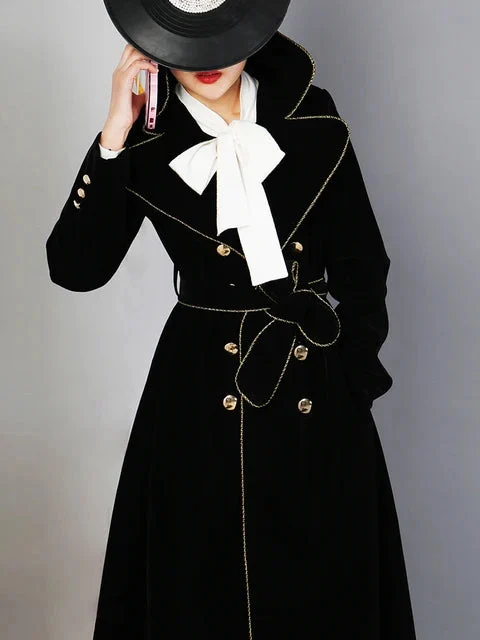
The safest way to store a velvet coat is hanging, on a padded hanger, with empty space on both sides so nothing rubs against the pile. A long piece like the Women’s Velvet Trench Coat should hang freely, not squeezed between heavier coats. If you must fold velvet for a small closet, roll it instead: rolling spreads pressure evenly and avoids the hard crease line folding creates.
Before storing velvet, brush it gently to lift dust and restore the nap, and make sure it is completely dry — velvet holds moisture longer than it looks, and a coat packed away even slightly damp can develop a musty smell. If a crush mark appears, hold the area over steam and brush the nap back while it is warm — never press it with an iron.
How to Store a Corset
Corsets are structured garments, and storage damage usually means bent steel, snapped lacing, or a busk that no longer sits flat. The fix is simple: store a corset the way it is shaped, not folded into whatever space is left.

First, loosen the laces fully and remove any detachable straps, so nothing pulls against the eyelets while the corset waits. Spot-clean the fabric, and make sure it is bone dry — moisture near steel bones causes rust spots that bleed into the fabric. Lay the corset flat, with the busk straight, and place tissue paper over it before anything else goes on top. A piece like the Women’s Gothic Corset keeps its shape best this way.
If drawer space is tight, rolling a corset loosely is better than folding it in half, which creases the busk. Never hang a corset by its laces: the weight pulls the eyelets and distorts the top edge. Keep it away from damp walls and floors, and check the bones twice a year for rust.
The Rest of the Wardrobe: Boots, Jewelry, and Hats
Boots keep their shape with boot shapers or rolled magazines inside the shaft, stored upright rather than flopped over in a pile. Jewelry lasts longest in separate pouches, because chains tangle and studs scratch softer metals. Hats should sit on a shelf, not under a stack of coats. Every spring and autumn, take stored pieces out, air them for a day, and check for mould, moths, or rust before re-packing.
Quick Storage Checklist
Clean and fully dry every piece before it goes away. Hang leather on wide wooden hangers in cotton garment bags. Hang velvet with space around it, or roll it. Lay corsets flat with laces loosened and the busk straight. Keep everything cool, dry, dark, and breathing — never in plastic. Check stored clothes every six months.
FAQ: Gothic Clothing Storage
Can I store gothic clothes in vacuum bags?
It is not worth the risk for leather, velvet, or corsets. Vacuum sealing crushes velvet nap, creases leather, and bends corset bones, and trapped moisture can cause mould. Use breathable cotton bags and boxes instead.
How do I stop black clothes fading in storage?
Keep them out of sunlight and away from heat. Even indirect daylight through a window fades black dye over months, so a dark closet is ideal. Wash black pieces inside out in cold water before storing.
What should I do if stored clothes smell musty?
Air them outside in the shade for a day first — never in direct sun, which fades black fabric. If the smell remains, wash the piece and dry it fully before re-packing. If you see mould spots, clean them promptly and check neighbouring pieces.
Good storage is unglamorous, but it keeps a gothic wardrobe looking intentional instead of tired. A jacket that hangs properly, a velvet coat with its nap intact, and a corset that still sits flat will outlast replacements bought in a hurry.