Gothic Fashion Mistakes Beginners Make (and How to Fix Them Fast)
Most beginner gothic outfits fail for the same seven reasons: too many statement pieces at once, a costume-like finish, the wrong fit, flat all-black styling, and pieces that cannot survive real weather. Fix those five problems, and the same wardrobe suddenly looks intentional instead of thrown together.
Mistake 1: Wearing Every Statement Piece at Once
Newcomers often stack a spiked choker, a skull ring on every finger, a graphic tee, a studded belt, and platform boots into a single outfit. Each piece is fine on its own. Together, they compete for attention, and the eye does not know where to land. The result reads as a costume rather than a style.
The fix is the one-focal-point rule. Choose one hero piece per outfit and let everything else support it. If the boots are the statement, keep the top and accessories quiet; if the jacket carries the look, wear simple boots and minimal jewelry. This single change does more for a beginner’s outfit than any new purchase.
A skull beanie is a good example of a controlled statement. It adds instant gothic character to a plain coat and jeans, but it works precisely because it is the only loud element. Pair it with a simple coat and dark boots, and the look stays grounded.
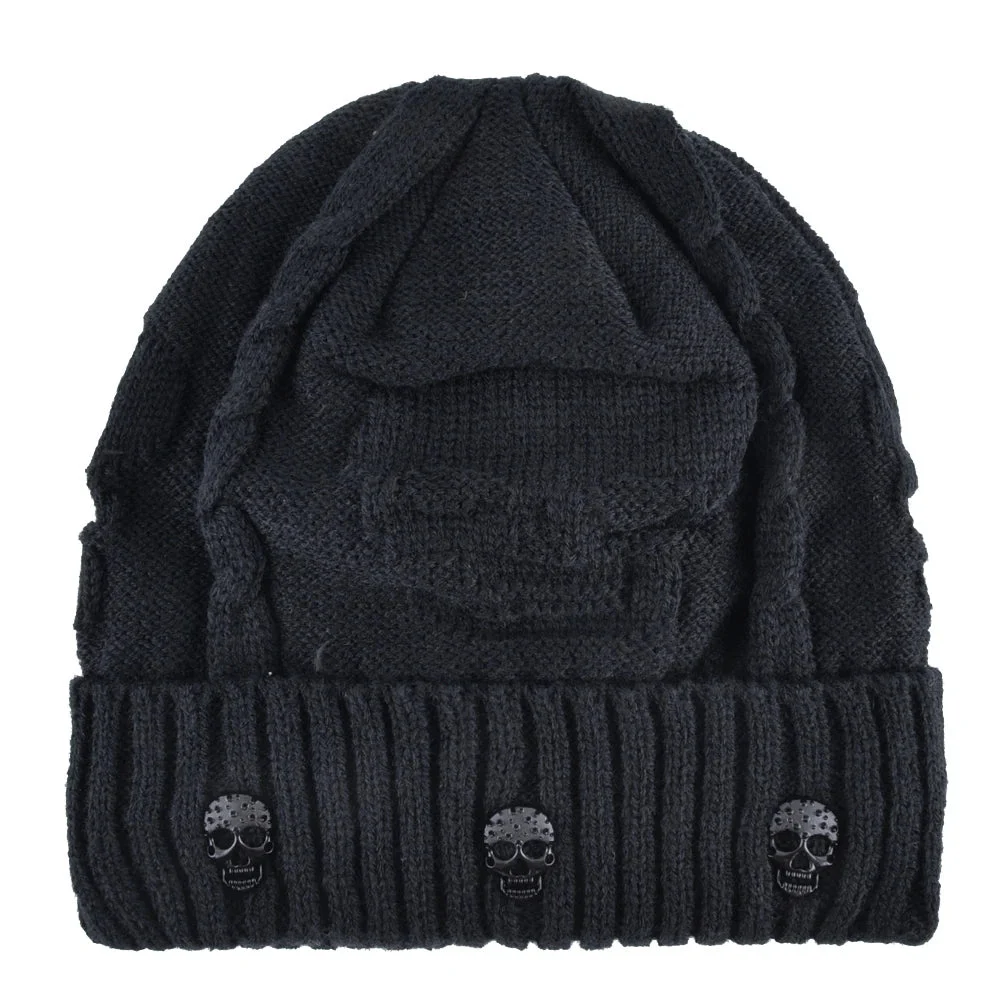
Try it this way: the Men’s Skull Beanie over a plain black hoodie and dark jeans, with no other skull prints in the outfit. One motif, repeated nowhere else, reads as deliberate. Five skull motifs read as a theme park.
Mistake 2: Buying the Costume Version Instead of the Real One
Cheap, shiny polyester is the fastest way to look like you are heading to a Halloween party rather than living your style. Thin fabrics that shine under light, plastic-looking studs, and printed textures that imitate leather all signal “costume” at a glance.
The fix is to check fabric and hardware before you buy. Matte finishes beat shiny ones for everyday goth, and real metal hardware ages well while painted plastic chips within weeks. Spend a little more on fewer pieces, and buy the version you would still wear in six months.
Mistake 3: Getting the Fit Wrong in Both Directions
Beginners tend to make one of two fit errors. Some drown in oversized everything — long coat, baggy pants, chunky boots — until their shape disappears entirely. Others go skin-tight from neck to ankle, which is uncomfortable and shows every seam. Both extremes make an outfit look accidental.
The fix is contrast: pair one oversized piece with one fitted piece. A relaxed coat works over slim pants; a fitted top works under a structured jacket. Always try a coat on over your thickest layer, not a T-shirt, and check the shoulders — a seam sitting past your own shoulder looks borrowed, not styled.
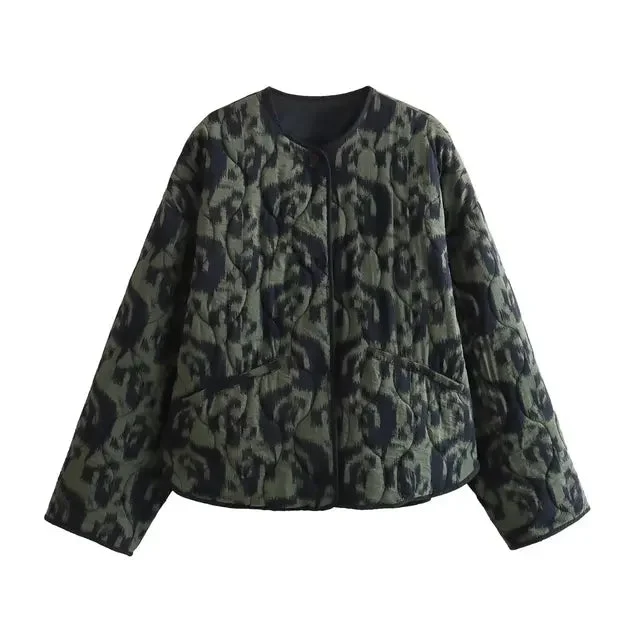
A simple everyday coat is the easiest place to practise this. The Women’s Casual Coat is cut for daily wear rather than drama, so it layers over a sweater without swallowing your shape.
Mistake 4: Wearing All Black With No Texture
All black is the gothic default, but all black in a single flat fabric looks like a uniform, not an outfit. A matte cotton tee, pants, and shoes in the same shade merge into one dark block with no shape or depth — the most common reason beginners feel their outfit looks “boring” even though every piece is black.
The fix is texture, not colour. Mix matte with shine: leather against knit, velvet against denim, a glossy boot against a soft coat. You do not need red or purple to look interesting — you need surfaces that catch light differently. Three textures in one outfit is usually enough.
Mistake 5: Dressing for the Photo, Not the Weather
Platform boots with no grip on a rainy day, a velvet coat in a downpour, and bare legs in freezing wind are outfits designed for a photo, not for a life. Beginners often buy the most dramatic version of a piece, then discover it is unwearable half the year. Blisters and soaked feet ruin any look faster than a wrong accessory.
The fix is to buy for your real climate first. Check soles for grip before you buy boots, break new boots in at home before a full day out, and keep one sturdy, weather-ready pair as your default. Save the most dramatic pair for dry days. Comfort is not the enemy of style — limping is.
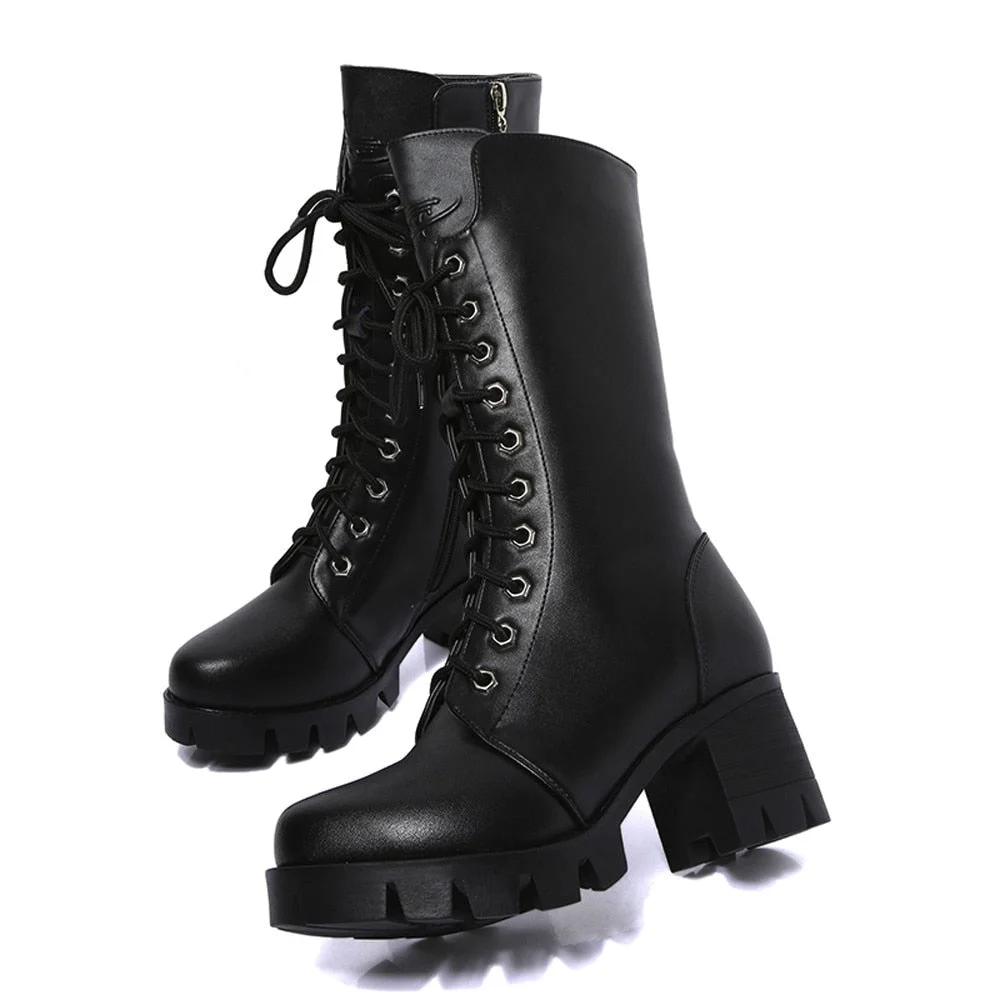
Sturdy lace-up styles like the Military Madam Boots are a practical anchor: unmistakably gothic, but built for actual walking, so they get worn far more often than a pair that only works indoors.
Mistake 6: Copying One Subgenre Head to Toe
Copying a single subgenre — full Victorian, full cyber, full trad goth — from head to toe is another costume trap. It can look impressive at an event, but for everyday life it feels rigid and leaves no room for your own taste.
The fix is to pick an anchor, not a uniform. Keep two or three signature elements that feel like you — boots, dark lips, and silver jewelry — and let the rest be ordinary dark clothing. Your style will still read as gothic, but it will also read as yours.
Mistake 7: Skipping Care Until Pieces Look Tired
Black clothes fade, leather cracks, and hardware tarnishes — and beginners often blame the brand when the real problem is care. Hot washes, wire hangers for heavy coats, and jewelry tossed together in a drawer all age a wardrobe years ahead of schedule.
The fix is boring but cheap: wash black clothes cold and inside out, condition leather a few times a year, store jewelry separately, and keep heavy coats on wide hangers. Good care is what separates a wardrobe that looks intentional after a year from one that looks tired after a month.
Your Quick Fix Checklist
Before you leave the house, run through this list. One focal point only. Matte fabrics over shiny costume finishes. One oversized piece balanced by one fitted piece. At least two textures. Shoes you can actually walk in. An anchor that is yours, not a copied uniform. If all six boxes are ticked, the outfit will almost always work.
FAQ: Gothic Fashion Mistakes
How many statement pieces should a gothic outfit have?
One. Choose a single hero piece — boots, a jacket, or a bold accessory — and keep everything else simple. Two can work if one is much quieter, but three or more usually turn an outfit into a costume.
Can beginners wear all black without looking boring?
Yes, by mixing textures instead of adding colour. Combine leather, knit, velvet, and denim so different surfaces catch light differently. An all-black outfit with three textures looks rich; an all-black outfit in one flat fabric looks like a uniform.
What is the biggest beginner mistake in gothic fashion?
Buying the cheapest, most dramatic version of everything at once. It leads to shiny costume fabrics, unwearable shoes, and a closet of pieces that never get worn. Buy fewer, better pieces, and start with one focal point per outfit.