Gothic Funeral Outfits: How to Dress Goth for a Funeral Without Disrespecting the Dress Code
Yes, you can dress goth for a funeral — if you keep it muted, covered and quiet. Choose plain black layers with no spikes, studs or loud prints, wear closed, walkable shoes, and keep jewellery and makeup minimal. The goal is to look like yourself while making sure nobody notices your outfit instead of the person being remembered.
The One Rule: Respect Comes Before Self-Expression
A funeral is not the place to make a style statement. That does not mean abandoning your identity — it means translating it into its quietest form: the same black palette and long lines, without anything that flashes, jingles or demands attention. Before you leave, ask: would this outfit distract a grieving family member? If the answer is maybe, swap that one piece.
What Counts as Respectful Goth
Most funeral dress codes come down to four things: dark colours, covered skin, quiet fabrics and practical shoes. Goth style already leans dark, so the adjustment is small.
Colour: plain black, no competing brights
Stick to solid black. Deep charcoal is usually fine, and dark burgundy or navy only if the family asked for colour. Avoid red, white and bright prints — they read as festive.
Coverage: shoulders, knees and cleavage covered
Cover shoulders and knees, and keep necklines high. This matters in churches, mosques, synagogues and temples, where bare shoulders or short hems can offend. A long coat or blazer solves most coverage problems in one move.
Hardware: none visible, or close to none
Leave spikes, studs, chains, oversized buckles and jangling bracelets at home. Metal hardware catches light and sound in quiet rooms. A single small zip is fine; anything you can hear when you walk is too much.
Makeup and hair: your style, softened
Keep the dark lip and lined eye if that is your everyday look, but skip glitter, party-style lashes and bright hair accessories. Neat, brushed hair — even dyed black, purple or deep red — looks intentional and respectful.
Three Funeral-Ready Outer Layers, for Three Kinds of Service
A heated chapel, a windy graveside and a winter car park need different layers — pick the one that matches your day.
For an indoor service: a structured blazer-coat
A long, single-breasted blazer-coat is the safest indoor choice: formal tailoring that covers a dress or trousers to mid-thigh and looks right in a pew for an hour. The Women’s Elegant Blazer-Coat is a good example — long sleeves, a clean front and a tidy waist shape, with no visible hardware or embellishment.
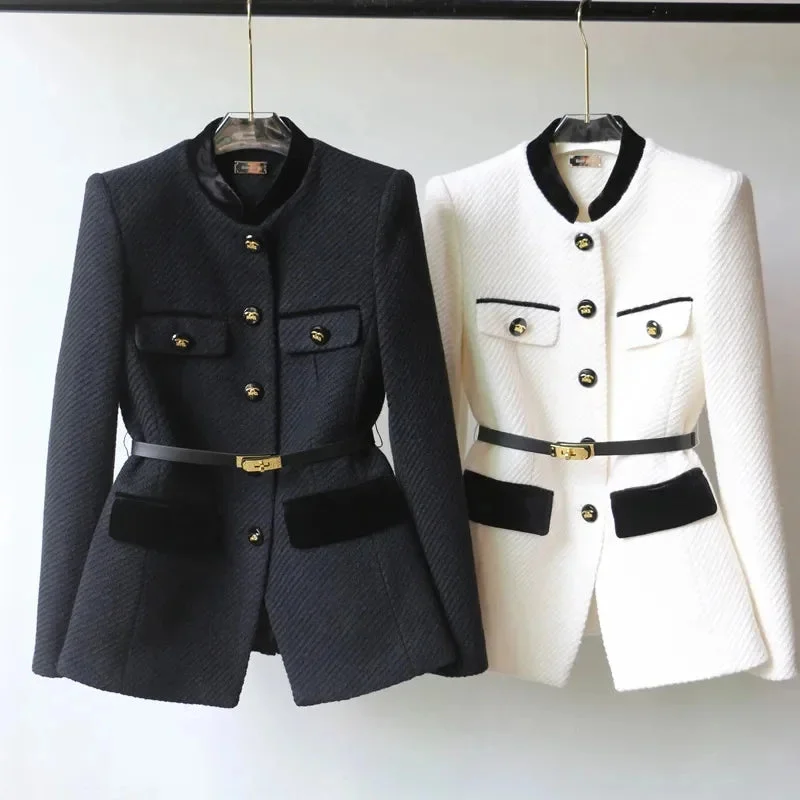
Wear it closed over a plain black dress or black trousers and a high-neck top, skipping the statement belt and brooch.
For a winter graveside: a warm, plain black coat
Graveside services are cold, exposed and often longer than expected. A quilted, stand-collar coat in solid black keeps you warm without looking like outdoor gear. The Women’s Elegant Coat Black works here: warm and thick, with a stand collar that blocks wind and a solid black that keeps the outfit sombre.
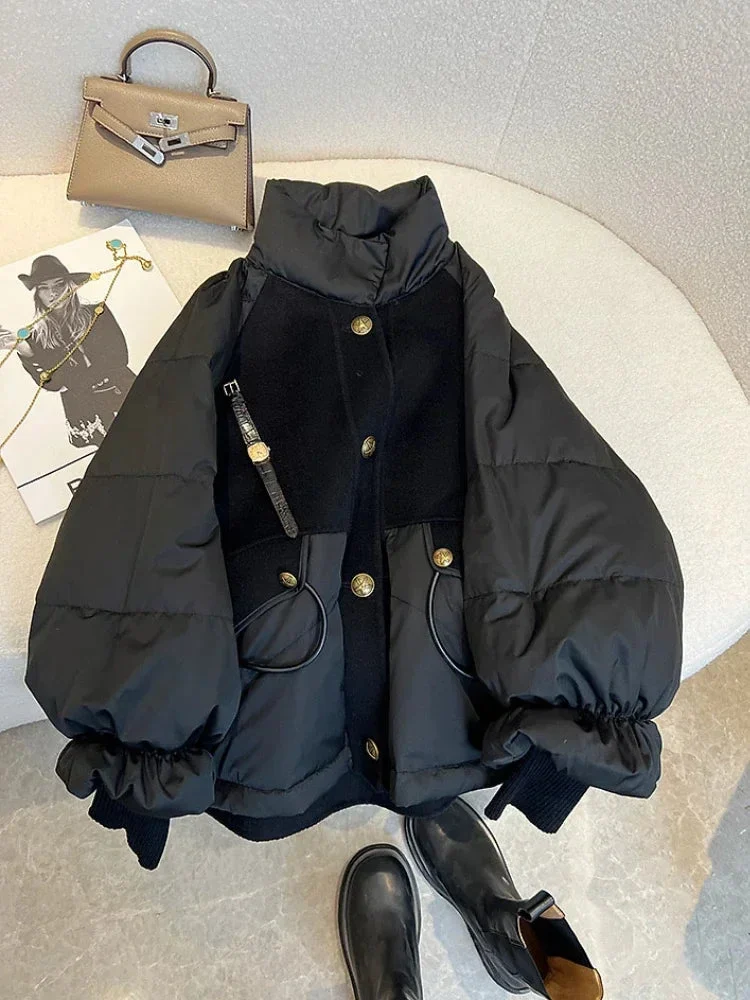
Pair it with a plain black scarf and gloves, and shoes you can stand in on grass or gravel. Graveside ground is uneven and often wet; leave platform boots at home today.
For a windy or transitional day: a black cape jacket
A cape jacket is a useful middle ground: more dramatic than a blazer, less bulky than a winter coat, and easy to move in when a service moves between indoors and outdoors. The Women’s Elegant Cape Jacket Black gives that long, dark line goths love, in a plain black that stays appropriate. It also covers shoulders and arms without a second layer — just avoid clasps, chains or contrasting linings that flash when it moves, and wear a fitted layer underneath for wind.

What to Wear Underneath
The base layer should be the plainest black thing you own: a long black dress with sleeves, or black trousers with a black high-neck top. Avoid sheer panels, cut-outs, fishnets, shiny leather trousers and anything that needs adjusting. Fabrics matter more than labels: matte crepe, wool, heavy cotton and plain jersey read as sombre, while satin, PVC, vinyl and anything metallic reads as evening or club wear, even in black.
What to Leave at Home
Some goth staples simply do not belong at a funeral:
- Spiked or studded jackets, collars and boots — the hardware and the message both distract.
- Platform boots and very high heels — unsafe on grass and gravel, loud on hard floors.
- Fishnets, ripped tights and sheer layers — too revealing for most services.
- Graphic prints, band logos and slogan tees — even in black, they shift attention to the wearer.
- Strong perfume or incense-heavy scent — scent carries in small rooms and can trigger headaches or allergies.
- Large bags and jangling keychains — carry one small, plain black bag and leave the rest in the car.
Shoes, Jewellery and Bags: The Quiet Details
Shoes should be black, closed-toe and walkable for an hour of standing. Plain ankle boots with a low, stable heel are the best goth-friendly compromise, keeping the dark silhouette without the height or noise of platforms. Polish them the night before.
Jewellery should be minimal and silent: one plain ring, small studs or a single thin chain, nothing that jingles, dangles or catches light across the room. One exception: a piece with memorial meaning, such as a ring belonging to the person who died, is appropriate — meaning outweighs minimalism when it honours the deceased. Carry tissues, not a statement bag: a small black bag for tissues, water and a phone set to silent before you enter.
If You Are Unsure, Ask — Briefly
When the family or culture is unfamiliar to you, a short question prevents most mistakes: “Is there a dress code or colour the family would prefer?” Some families request bright colours, cultural dress or no black at all — follow their wishes over any general rule, including this guide. Religious services may also expect head coverings or shoe removal; ask a family member in advance rather than guessing on the day.
Frequently Asked Questions
Can I wear goth clothes to a funeral?
Yes, if you choose the quietest version of your style: solid black, covered skin, no spikes, studs or loud prints, and walkable closed-toe shoes. If the outfit draws attention away from the service, change one piece.
Is wearing all black to a funeral still expected?
In most Western funerals, yes, black remains the default, with dark charcoal or navy usually accepted. If a family requests colour or celebration-of-life dress, follow their request instead.
What shoes should a goth wear to a funeral?
Plain black, closed-toe, low-heeled shoes you can stand in for an hour and walk on grass or gravel. Low ankle boots are ideal; leave platforms, stilettos and noisy soles at home.
The Bottom Line
Dressing goth for a funeral is not about hiding who you are. It is about choosing the version of your style that shows respect: plain black, covered, quiet and warm enough for a graveside. Pick the outer layer that matches the setting, leave the hardware at home, and show up for the people who need you there.