O-Ring Collar Chokers: The Ultimate Gothic Collar Style Guide
The O-ring collar choker sits at the intersection of gothic fashion, punk attitude, and fetish-inspired edge. With its distinctive metal ring suspended from a close-fitting band, it is one of the most striking necklaces in dark fashion. This guide covers what the O-ring collar means in goth culture, the main styles available, and how to wear one with confidence.
What Is an O-Ring Collar?
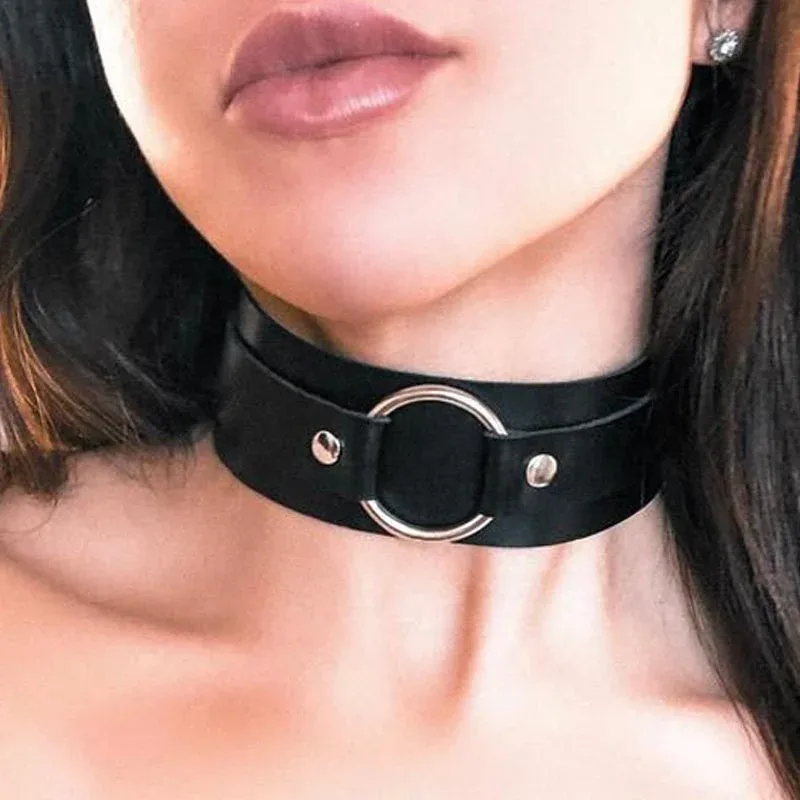
An O-ring collar is a choker-style necklace — usually leather, faux leather, or velvet — featuring a metal O-shaped ring at the center front. The design draws from punk, BDSM, and industrial subcultures, where the ring symbolized boldness and defiance. In modern gothic fashion, it has become a mainstream statement piece worn for its look alone.
Classic vs. Spiked: Choosing Your Style
The Classic O-Ring Collar is the cleanest expression of the style — a simple black band with a polished metal ring. It is versatile enough for everyday goth outfits and works with everything from corset tops to oversized band tees.
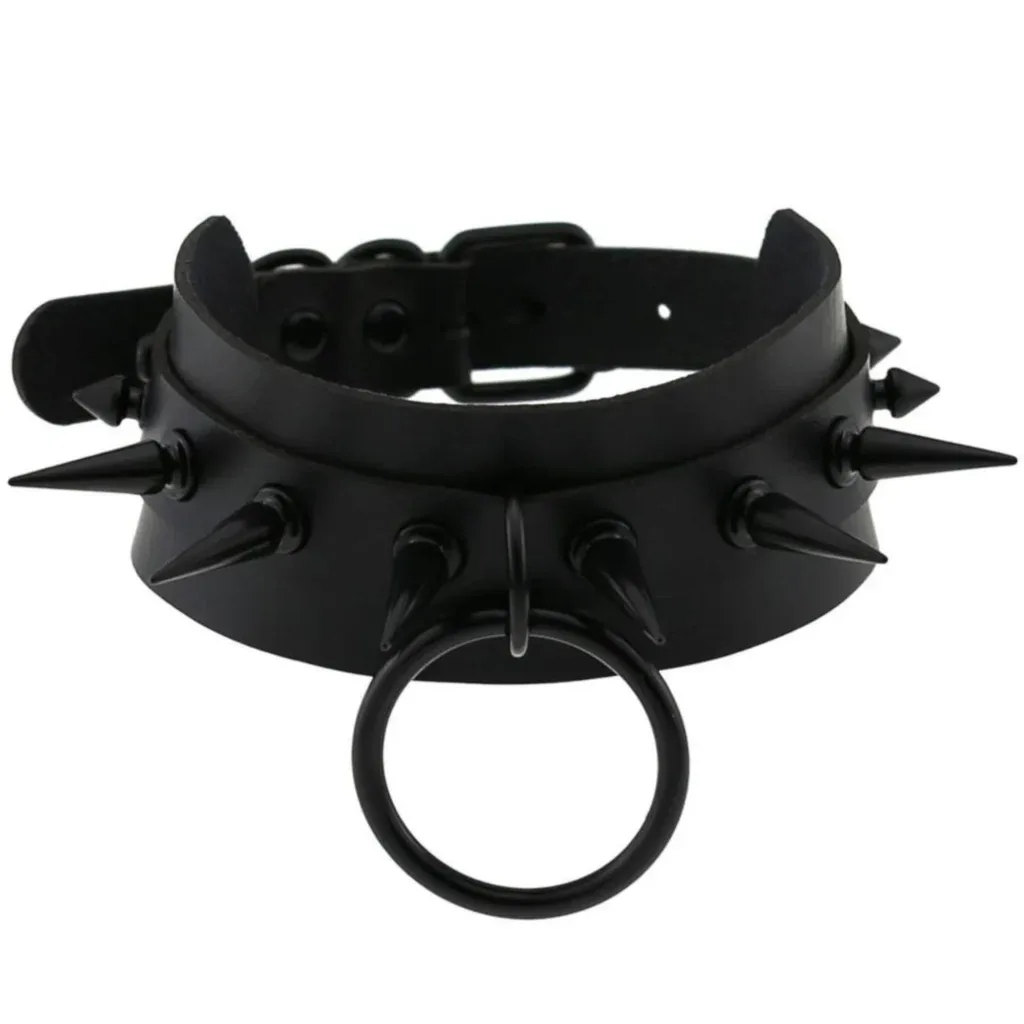
For maximum attitude, the Matte Spiked O-Ring Collar adds rows of studs around the band, doubling down on the punk aggression. Spiked versions are concert and club essentials — they photograph incredibly well and read clearly even in dark venues.
A middle ground is the Ring Choker Collar, which keeps the signature ring in a slightly dressier presentation. It bridges the gap between everyday goth and evening looks.
How to Style an O-Ring Collar
Let it lead. The O-ring is a strong focal point — build the outfit around it. Bare necklines, open collars, and off-the-shoulder tops give the ring room to shine.
Coordinate your hardware. Match the ring’s metal finish (silver, black, gunmetal) with your other jewelry — chain bracelets, skull rings, and belt buckles. Cohesive hardware makes the whole outfit look intentional.
Balance the edge. Pair an aggressive spiked collar with softer pieces (a flowing skirt, a lace top) for contrast, or go full throttle with leather pants and combat boots. Both work — the key is committing to the vibe.
Fit and Comfort
O-ring collars should fit snugly enough to stay in place but loose enough to slip a finger underneath. Most styles have adjustable buckle or snap closures. If you are between sizes, size up — you can always tighten a buckle, but you cannot stretch a too-small band. Break in leather collars gradually, wearing them for short periods at first.
Care Tips
Wipe leather bands with a damp cloth after wearing and let them air dry away from direct heat. Polish metal rings occasionally to prevent tarnish, and store collars flat or hanging so the band keeps its shape. Keep spiked styles in their own pouch so the studs do not scratch other jewelry.
The O-Ring’s Roots: From Subculture to Mainstream
To understand the O-ring collar’s power, it helps to know where it came from. The design emerged from 1970s and 80s punk and fetish scenes, where collars and harnesses were worn as deliberate provocations — visible rejections of mainstream taste. The metal ring itself had practical origins in bondage gear, but in fashion it quickly became pure symbolism: toughness, defiance, and sexual confidence.
By the 1990s, the O-ring had crossed into goth and industrial fashion, appearing on everyone from club kids to metal vocalists. Today it is firmly mainstream within alternative fashion — worn by people who may know nothing of its origins and love it simply for how it looks. That journey from underground provocation to fashion staple is exactly why the O-ring carries such charge: it still whispers of rebellion even on a casual outfit.
O-Ring Collars vs. Regular Chokers: When to Choose Which
Not every outfit needs the O-ring’s intensity. A good rule of thumb: choose the O-ring collar when you want the necklace to be the outfit’s attitude-setter — concerts, nights out, photoshoots, and anywhere you want to project confidence. The ring’s metallic glint and industrial shape do the talking before you say a word.
Choose a regular velvet or lace choker when the outfit already has a strong focal point — a dramatic corset, a graphic band tee, or heavy layered jewelry. In those cases, the choker should complement rather than compete. Many goths keep both in rotation and decide based on the day’s energy: O-ring for armor, classic choker for accent.
Safety and Etiquette: Wearing Bold Collars in Public
An O-ring collar gets noticed — that is the point, but it is worth thinking about context. In alternative spaces (concerts, clubs, goth nights), it reads as fashion and attitude. In conservative settings like job interviews or family gatherings, it may invite questions you do not want to answer. Many goths simply keep a subtler choker for those situations and save the O-ring for where it belongs.
On comfort and safety: never wear a collar so tight it restricts breathing or movement — you should always be able to slip a finger underneath. Remove collars with metal hardware before sports or situations where they could catch. And if anyone asks about the ring’s meaning, a confident “it’s a punk fashion staple” is all the explanation you owe anyone.
Final Thoughts
The O-ring collar is gothic jewelry at its boldest — a single piece that instantly communicates attitude. Whether you choose classic or spiked, wear it like you mean it. In dark fashion, confidence is the real accessory.