Gothic Belts 101: How to Choose, Size & Style Studded, Corset & Chain Belts
A gothic belt turns an ordinary black outfit into a statement — if it fits. This guide covers the three main gothic belt styles (studded, corset, chain), the +2-inch sizing rule that prevents the most common online buying mistake, five quality checkpoints drawn from real customer feedback, and styling and care tips that keep your hardware intact for years.
In gothic and punk fashion, the belt is never just functional. A studded strap, a lace-up corset belt or a heavy chain across ripped denim works like a statement necklace: it breaks up an all-black silhouette and signals your subculture. Yet belts are among the most returned accessories in alternative fashion — almost always over sizing. Get the fit and hardware right, and a good gothic belt will outlast half your wardrobe.
The 3 Gothic Belt Styles Worth Knowing
Studded & Hardware Belts
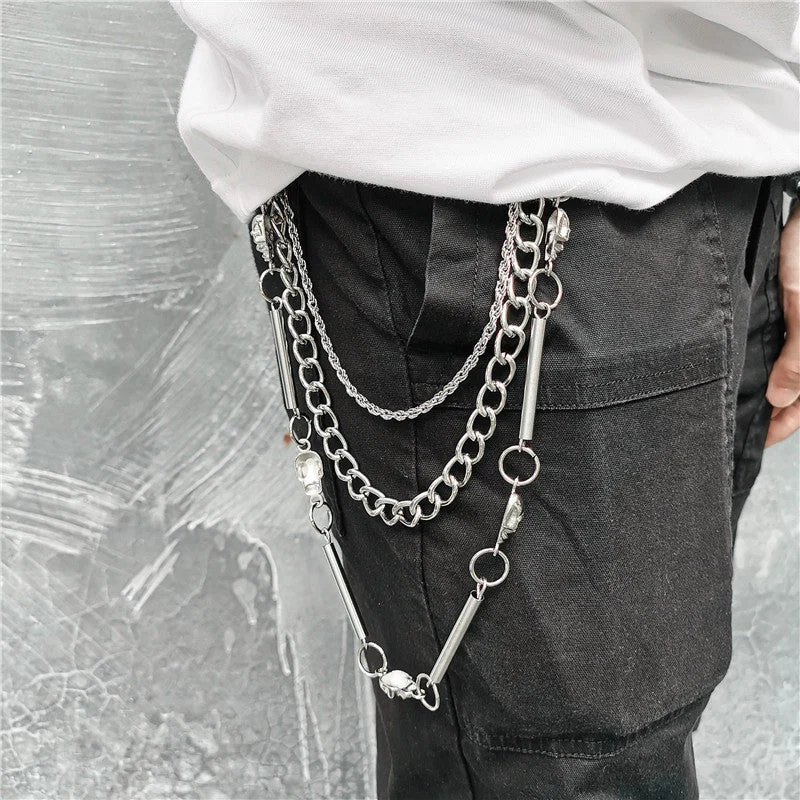
The punk original: rows of pyramid studs, cones or rivets set into a leather or faux-leather strap — a look born in the late-1970s punk scene, where studs symbolized rebellion and still do. Modern versions mix stud shapes for texture, and heavier pieces add skulls, O-rings or chains to the strap.
The classic complaint: prongs never bent fully inward work loose, snag clothing and fall out — sometimes leaving sharp metal arms that dig into your hip. When shopping, press each stud sideways with a fingernail; a well-set stud does not wiggle. The Triple Hardware Belt Chain takes the same industrial energy in chain form, with chunky interlocking hardware instead of a strap.
Corset Belts
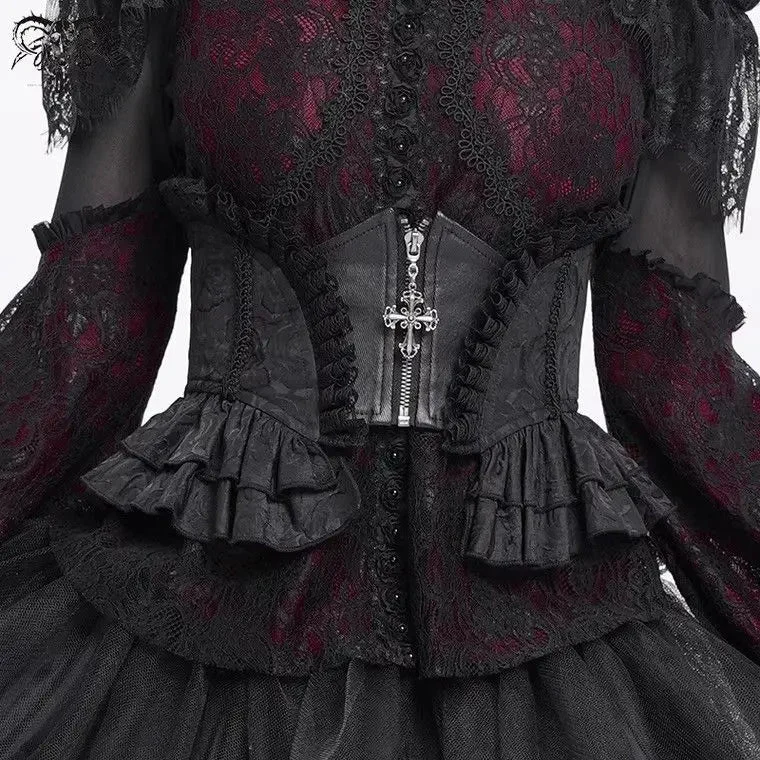
Wide, lace-up or buckled belts that cinch the waist over dresses, oversized tees or blouses — the corset’s waist-cinching idea condensed into one accessory. They create an hourglass line without the commitment (or sizing homework) of a full steel-boned corset, making them the easiest entry point to the corseted silhouette.
Fit works differently here: a corset belt sits at the natural waist, the narrowest point of your torso — not slung low on the hips. Measure that point directly instead of borrowing your jeans size. The Raven Cross Gothic Corset Belt pairs a wide cinching strap with gothic cross hardware, reading as jewelry as much as shapewear. If the look hooks you, our beginner’s corset buying guide covers steel boning, sizing and seasoning next.
Chain Belts
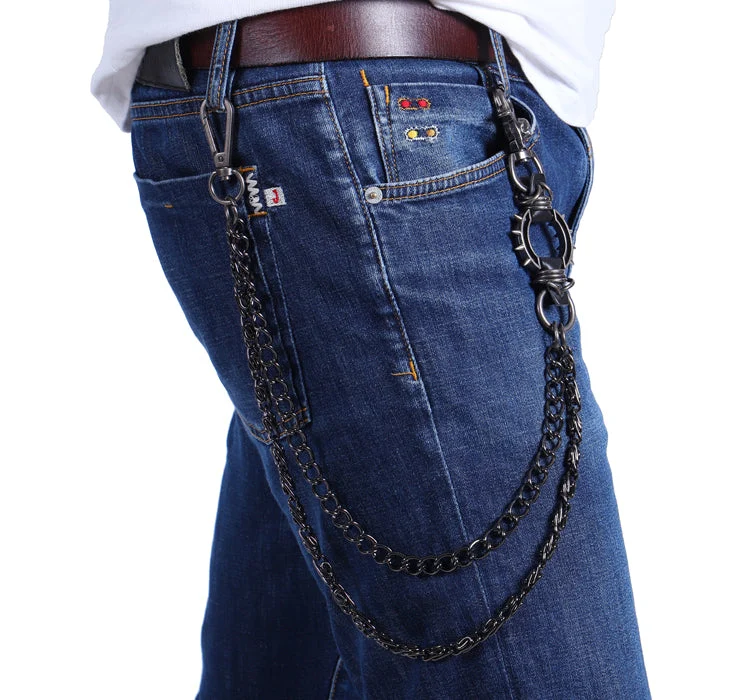
Metal chains worn through belt loops or draped low on the hips — the metalhead answer to the leather strap, adding movement and weight that pairs naturally with wallet chains and boots.
Chain belts have two predictable failure points, both echoed across customer reviews: clasps that pop open under the chain’s own weight, and lengths designed for nobody in particular. Look for a locking lobster or bolt-ring clasp rather than a thin spring gate, and confirm the listed length against your hip measurement — a chain hanging past mid-thigh snags on everything. The Skull Cogs Chain uses interlocking cog and skull links for a mechanical look that works as a belt or a draped hip chain.
How to Find Your Belt Size: The +2-Inch Rule
Belt sizing confuses almost everyone the first time, because a belt size is not your pants size. The industry rule: order a belt 2 inches larger than your pants waist size. A 32″ waist takes a 34″ belt. The extra length lets the belt fasten on its middle hole, leaving two spare holes each side — and it accounts for pants vanity sizing, which means the label rarely matches reality.
The most accurate method skips labels entirely: lay a belt you own flat and measure from the buckle fold to the hole you actually use — that number is your belt size. For low-rise jeans, which sit lower on the hips, add 3 to 4 inches instead of 2. Between sizes, size up: a slightly long belt fastens cleanly on an inner hole, while a short one strains at the last hole and stretches the strap.
For corset and chain belts, ignore the +2 rule: measure your natural waist (corset belts) or hips at belt-loop level (chain belts), over the clothes you will wear with them.
5 Quality Checkpoints Before You Buy
From the most repeated complaints in belt reviews:
- Stud and rivet seating. Push each stud sideways. Any wiggle means the prongs were never bent fully inward — that stud will fall out or snag your clothes.
- Buckle and clasp hardware. The buckle should feel heavy for its size; thin, featherweight alloy bends and snaps. On chain belts, demand a locking clasp, not a flimsy spring gate.
- Hole reinforcement. Working holes take all the stress. Finished or metal-ringed edges outlast raw punched holes, which elongate into ovals and tear.
- Edge stitching. Run a fingernail along the strap’s edge. Uneven or missing stitching is the clearest visible sign of a belt that will delaminate within months.
- Material honesty. Faux leather is fine — most gothic belts use it — but keep it away from high heat and harsh solvents. If a listing hides the material, price your expectations accordingly.
How to Style Gothic Belts: 4 Ready Formulas
1. The waist cinch. A wide corset belt over an oversized black tee or flowy dress creates shape where the outfit had none. Keep everything else simple — the belt is the statement.
2. The metalhead uniform. A heavy chain belt through the loops of ripped black jeans, plus boots and a band tee. Let the chain hang slightly asymmetric; symmetry is the enemy of this look.
3. Double-belt layering. Thread a slim studded strap through your loops and drape a chain belt low over it. Two textures at the waist read as intentional styling, not one lonely accessory.
4. The dress-code smuggle. A plain black strap with a single subtle skull or O-ring buckle keeps an all-black work outfit within dress code while still feeling like you.
Belt Care That Actually Works
Belts die from neglect, not wear. Hang strap belts or roll them loosely — folding one in half for months creases the strap where the buckle sits. Wipe leather and faux leather with a damp cloth to remove sweat and dirt, and condition real leather to prevent cracking; never soak or machine-wash a belt. Every few months, check each stud and re-seat any that wiggle — five minutes with pliers now saves a stud lost to a mosh pit later. On chain belts, inspect links and clasps for rust or wear, especially after sweaty summer festivals.
FAQ
What size belt should I get if my pants are 34″?
Order a 36″ belt: pants waist size plus 2 inches, which puts the middle hole as your working hole. For low-rise jeans, consider 37–38″ instead.
Why do the studs keep falling off my belt?
Usually because the prongs were never bent fully inward, or the strap is too thin to grip them. Test before buying: well-seated studs do not wiggle when pushed sideways.
Can I wear a chain belt if my pants have no belt loops?
Yes — drape it low on the hips over a dress, an oversized tee or a skirt. Without loops the chain becomes pure decoration, which is exactly how the draped-hip look is meant to work.