Your First Gothic Corset: The Beginner’s Buying Guide to Sizing, Steel Boning & Seasoning
Buying your first gothic corset? Choose a size 4 inches smaller than your natural waist, insist on steel boning, and season it by wearing it loosely for an hour or two a day over one to two weeks. This guide covers sizing, steel vs plastic boning, lacing, styling, and care — so your first corset fits, lasts, and looks incredible.
“Corset Top” vs. a Real Corset: Know What You’re Buying
Scroll any gothic fashion store and you’ll see dozens of garments labeled “corset.” Many are corset tops: lace-up fashion pieces with no structured boning. They look the part, but they won’t cinch your waist — and the first time you pull the laces tight, the eyelets can tear straight out of the fabric.
A real corset is a structured garment: a waist tape, a front busk (the hook-and-pin closure), grommets, lacing, and boning channels sewn into the body. If the product description doesn’t mention boning, a busk, or a waist measurement, you’re buying a top with lace-up detail, not a corset. For real waist definition that lasts all night, a structured corset is the only option.
How Gothic Corset Sizing Actually Works
Corset sizing is the number-one reason first-time buyers return theirs. Real corsets are sized by the waist measurement in inches when fully closed — a number, not a letter. Two “mediums” from two brands can differ by inches.
The waist-minus-4 rule
Measure your natural waist at its narrowest point with a soft tape (not over clothes). For a first corset, choose one 4 inches smaller than your natural waist: a 30-inch waist takes a 26-inch corset. That gap is your lacing room — it lets you cinch down gradually instead of squeezing in all at once. Size too aggressively and you’ll end up with a corset that pinches, rides up, or won’t close.
Don’t forget underbust and hips
Waist size picks the corset; underbust and hip measurements decide whether it fits. Too little underbust room and the top edge digs into your ribs; too little hip room and it rides up when you sit. Always compare all three measurements to the size chart — a well-fitted corset should never cause sharp pain or restrict breathing.
Steel Boning vs. Plastic Boning: The Make-or-Break Detail

If there’s one quality detail worth learning, it’s boning. There are two kinds:
- Steel boning — the gold standard. Spiral steel flexes with your body while flat steel at front and back keeps the silhouette rigid. It holds shape, gives real support, and lasts for years.
- Plastic boning — cheap and everywhere in budget corsets. It warps, bends, and can snap or poke through the fabric after a few wears. Warped plastic boning is the most common complaint in low-cost corset reviews.
Also check grommets and fabric. Reinforced metal grommets distribute lacing pressure instead of tearing out, and tightly woven fabrics or real leather hold structure far better than thin polyester. A fully steel-boned corset in sturdy fabric — like our Women’s Leather Corset — is a piece you wear for years, not one season.
Seasoning: Your New Corset Needs a Break-In Period
The biggest rookie mistake is lacing a brand-new corset as tight as it goes on day one. The community term for breaking in a corset is seasoning — and skipping it is how seams pop and bones bend.
Wear it loosely for 1–2 hours a day over 1–2 weeks, tightening a little more each session — snug but not cinched. The fabric stretches slightly and the steel bones mold to your curves, like breaking in stiff boots. A seasoned corset fits like a glove, with no painful pressure points.
How to Lace a Corset Without Wrecking It
Lacing looks intimidating, but the technique is simple: always loosen the laces fully before putting the corset on, fasten the front busk first, then tighten from the middle outward — not from the top or bottom.
Most corsets lace in an X pattern with the tying ends at the waist: pull each X snug in turn, working outward from the waist, then tie a bow at the back — never a hard knot. Corseting is a ritual, not yank-and-go.
Yes, the Back Gap Is Supposed to Be There
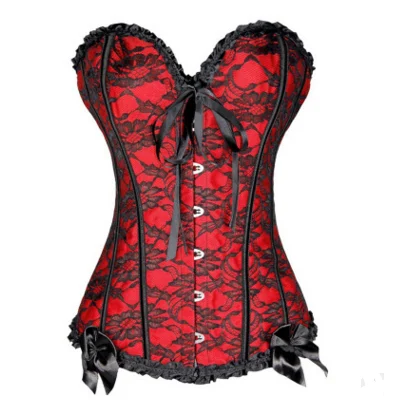
New buyers often panic at the V-shaped opening at the back of the laces. The truth: a parallel 1–2 inch gap at the back is correct. It’s your adjustment room — the corset settles as you season it, and you can tighten further over time. A modesty panel (the fabric flap behind the laces, standard on pieces like The Court Corset) covers the gap so no skin shows.
What isn’t normal: laces fully closed with zero gap on a new corset (too big — you’ll run out of room to tighten), or a gap wider than 3 inches (too small). Aim for a neat, even rectangle.
4 Ways to Style a Gothic Corset
A corset is one of the most versatile pieces in a gothic wardrobe. Four looks that always work:
- Over a blouse — an underbust over a black or white poet-sleeve blouse is the classic Victorian-goth silhouette.
- With ripped black jeans — an overbust with distressed skinnies and boots is the modern alt uniform. Add a choker and you’re done.
- As a top on its own — a well-fitted overbust with a long skirt or high-waisted trousers is a full evening look. The Warrior Corset with its bold hardware was made for exactly this.
- Layered under a jacket — an underbust over a fitted tee with a leather or denim jacket on top, for festivals and cool nights.
Pro tip: wear a thin cotton liner or tank underneath. It prevents chafing, absorbs sweat, and keeps the corset cleaner — fewer washes, longer life.
Corset Care: Make It Last for Years
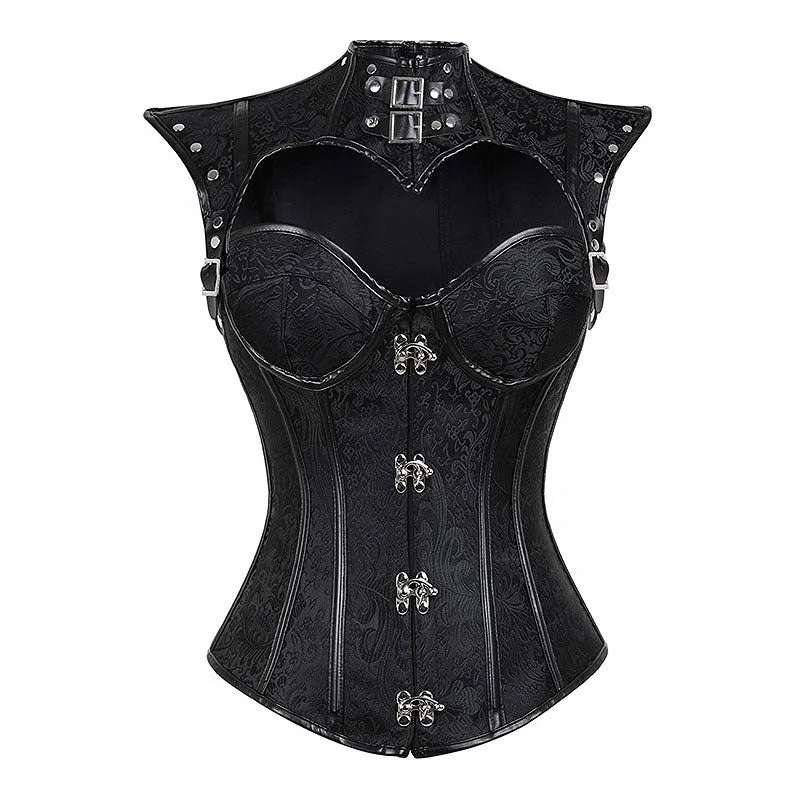
A quality steel-boned corset can last a decade with basic care:
- Never machine wash. Spot-clean with a damp cloth and air it out between wears.
- Store flat or hang by the laces. Folding or hanging by the straps bends the boning permanently.
- Loosen the laces before unhooking the busk. Forcing the busk open under tension strains the hooks.
- Rest it between wears. A day off lets the fabric recover its shape.
First Corset FAQ
Can I eat in a corset?
Light meals, yes — but plan ahead. A cinched waist compresses your stomach, so eat before you lace up or loosen the waist a notch for dinner.
Can I wear a corset every day?
You can, but build up to it: a few hours a few times a week at first, with rest days — especially while seasoning. Never sleep in your corset unless it’s specifically a sleeping corset and you’re experienced.
Why does my corset dig into my hips when I sit?
Usually the corset is too short for your torso, or the cut lacks hip room. A longer “longline” style or a curvier cut fixes it. Never “fix” digging by overtightening — if it hurts, it’s the wrong size or shape.
5 Comments