How to Wear a Gothic Choker: The Complete Guide to Sizing, Styles, and Comfort
A gothic choker should sit snugly in the middle of your neck with room for one finger underneath — snug enough to stay put, loose enough to breathe. Measure your neck and add 1–2 inches for the right length, choose nickel-free metal or soft velvet for sensitive skin, and prefer adjustable or extender-chain designs.
What Makes a Choker “Gothic”?
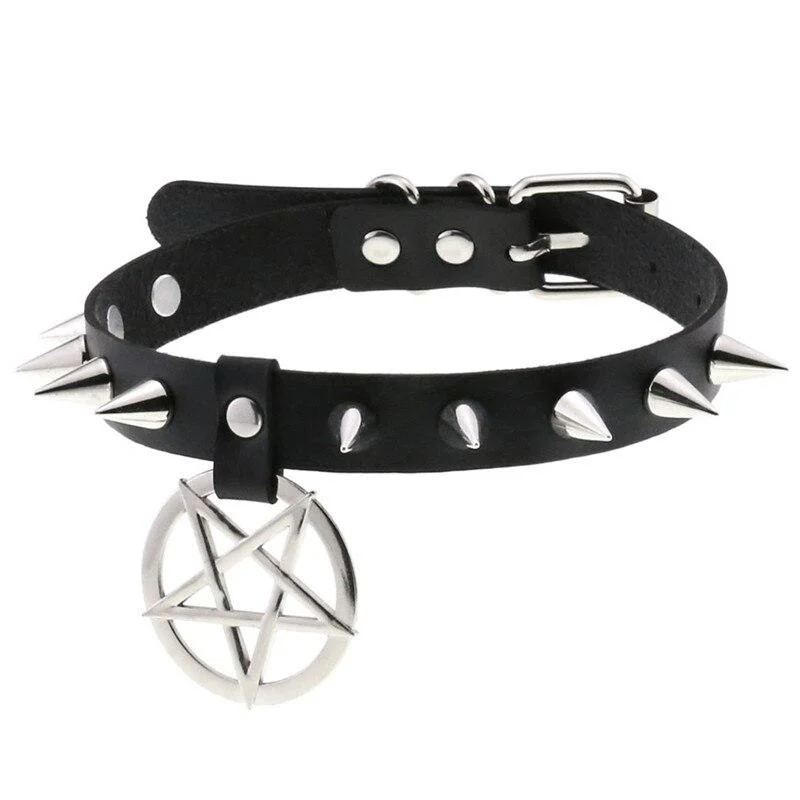
A choker is any necklace that hugs the base or middle of the neck, usually 14–16 inches (35–40 cm) long. What makes it gothic is the subculture’s vocabulary: black velvet bands, lace, leather straps, spiked rivets, O-rings, pentagrams, crosses, and chain-link collars. It’s one of the most recognizable pieces in alternative fashion — and the one buyers complain about most when the fit is wrong.
How to Measure Your Neck for a Choker
The number-one reason gothic chokers get returned is sizing, not style. Chokers are typically sold as “one size” around 14–16 inches, but necks vary far more than that — a common complaint in alt-fashion communities is that shoppers simply skip buying chokers because nothing fits.
Getting it right takes thirty seconds. Measure around the middle of your neck with a flexible tape measure (no tape? use a string, then measure the string against a ruler):
- Add 1–2 inches (2.5–5 cm) to your measurement for breathing room while the choker stays in place.
- Apply the finger test. Once it’s on, you should be able to slip one or two fingers between the band and your neck. Skin bulging on both sides means it’s too tight; constant spinning or slipping means it’s too loose.
A correctly sized choker rests lightly on the skin and never compresses the neck. Size up and use an extender instead.
Solved: Chokers That Never Fit Right
If your neck falls outside the standard range, stop forcing one-size pieces. The alt-fashion community’s favorite solution is adjustable chokers: designs with extender chains, ribbon tie-backs, or lace-up cords at the back. An extra 2–3 inches of adjustment range turns fit frustration into a non-issue.
When shopping, check the listing for the full length including the extender, not just the band. A “14-inch choker with 3-inch extender” fits necks from roughly 12 to 16.5 inches — a far more forgiving range than a fixed clasp.
Sensitive Skin? Choose the Right Materials
Itching, redness, or a green tint under the band are classic signs of nickel allergy or poor plating — one of the most frequent complaints in jewelry reviews. The fix is material choice:
- Nickel-free or stainless steel hardware. Clasps, O-rings, and chains that touch skin should be labeled nickel-free, hypoallergenic, or surgical-grade. If a listing doesn’t state the metal, assume it’s not skin-safe.
- Velvet, lace, and satin bands. Soft, flexible fabrics are gentler than rigid metal or stiff leather, especially for all-day wear. They’re also lighter, so the choker won’t press into your skin.
- Barrier cream as backup. If you love a piece with questionable plating, a thin layer of barrier cream between skin and metal can prevent irritation for a night out.
Limit wear time in heat and humidity — sweat accelerates both tarnishing and skin reactions. Take the choker off to shower, swim, or sleep.
How to Wear a Spike Choker Without Pain
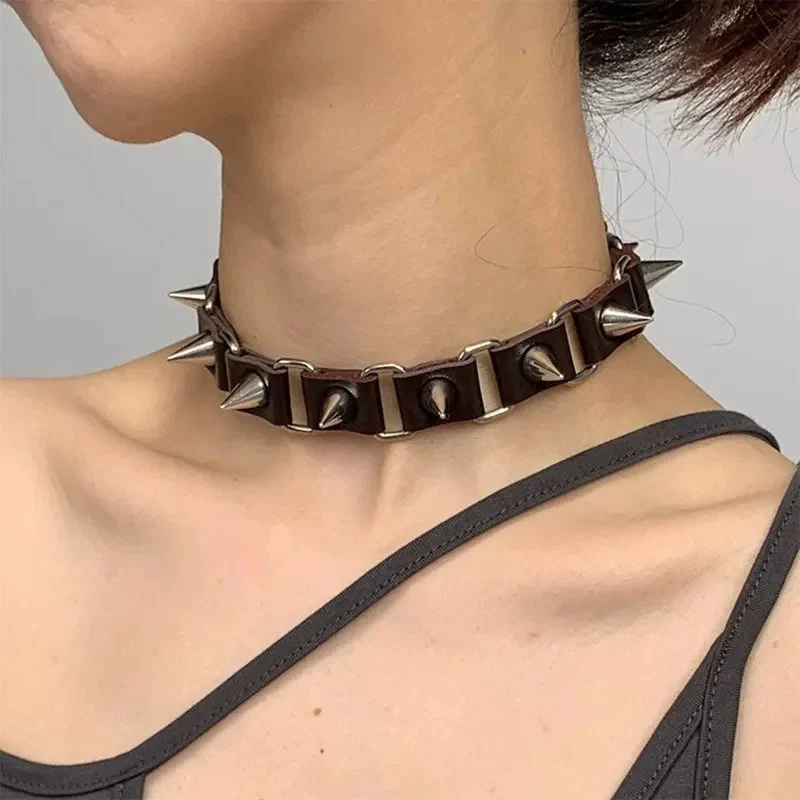
The most common fear about Spike Chokers is that the spikes will dig into your neck. Well-made spike chokers are designed so the spikes sit flat and parallel to the skin rather than pointing inward — worn correctly, the piece stays comfortable all day.
Check three things before buying: the inner surface should be smooth with no sharp edges where rivets meet the band; the spikes should lie flat against the neck, not angle inward; and the band should be adjustable so it never has to be pulled tight to stay closed. If spikes poke you, the choker is either too tight or poorly constructed — don’t “break it in,” replace it.
Match the Choker to Your Neckline
A choker can make or break an outfit depending on the neckline it sits against:
- V-necks and scoop necks are the classic pairing — the choker fills the negative space without competing.
- Off-the-shoulder and strapless tops work beautifully with wider statement chokers, since the whole neck is on display.
- Turtlenecks and high collars generally clash with chokers; wear the piece as a bracelet instead, or skip it.
- Crew necks suit slim, simple bands — anything wide will fight the collar line.
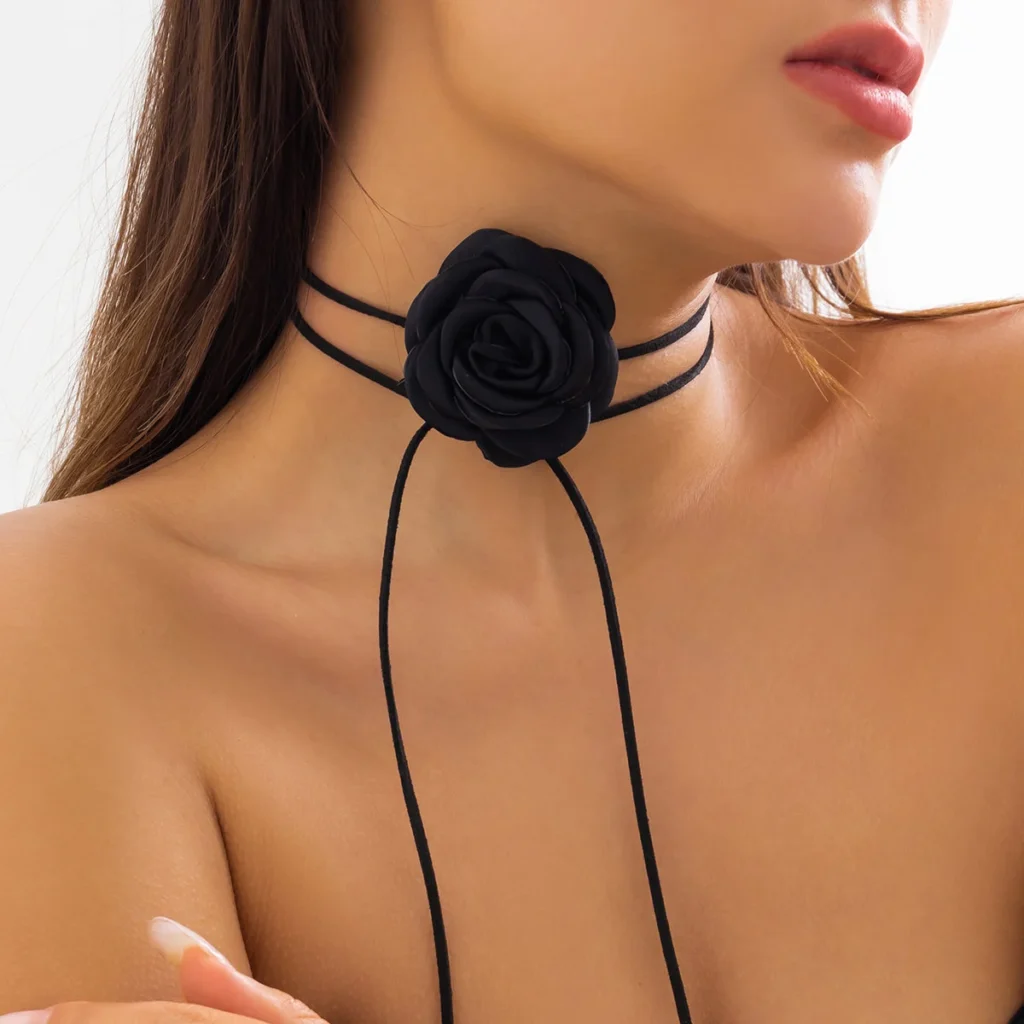
For neck shape: chokers flatter long, slender necks most, but they still work on shorter or wider necks — choose a slimmer band and let it sit a touch lower, closer to the collarbone, to visually lengthen the neck. Delicate Gothic Rose Chokers and thin velvet bands are the safest starting point if you’re unsure.
Styling Rules That Actually Help
Let the choker be the lead. A bold piece like a Pentagram Choker pairs best with minimal earrings — simple studs or small hoops — so the look stays intentional instead of cluttered.
Layer by length, not by bulk. A choker plus one longer pendant necklace (20–24 inches) creates the classic gothic layered look. Keep the second chain thin so it doesn’t compete with the band.
Match the metal. If your choker hardware is silver-toned, keep rings and bracelets in the same family for a cohesive outfit.
How to Care for Your Gothic Chokers
Chokers sit against skin, sweat, and perfume, so they need more care than other necklaces:
- Velvet and lace: spot-clean with a barely damp cloth and mild detergent, blot gently, and air-dry away from heat. Never machine-wash — velvet crushes and lace tears.
- Metal chains and O-rings: wipe with a dry soft cloth after wearing to remove sweat and oils, and store dry. If tarnish appears, a gentle metal polish restores the finish.
- Leather bands: condition occasionally with a leather balm to prevent cracking, and keep away from prolonged sun exposure.
- Spikes and rivets: check that settings stay tight; a loose spike is a scratching hazard, not a fashion statement.
FAQ
How tight should a gothic choker be?
Snug but not pressing — you should fit one to two fingers underneath. If you feel pressure when swallowing, see skin bulging, or find indent marks lasting more than a few minutes after removal, it’s too tight.
Can I wear a choker every day?
Yes, if it’s made from comfortable materials like soft velvet or nickel-free metal, and it fits correctly. Rotate pieces to let skin breathe, and remove chokers before sleeping, exercising, or showering.
Will a choker suit a short or wide neck?
Yes — choose a slim band rather than a wide collar, position it slightly lower toward the collarbone, and pair it with a V-neckline. Avoid very wide or rigid styles, which can visually shorten the neck.
Why does my choker turn my neck green or itchy?
That’s a nickel allergy or cheap plating reacting with sweat. Switch to nickel-free, stainless steel, or sterling silver hardware, and keep the band dry. If irritation persists, stop wearing the piece — no style is worth a rash.
2 Comments