Your First Gothic Boots: Sizing, Comfort & Break-In Guide
Start with combat or ankle boots for everyday comfort, size carefully because goth boots run inconsistent, break them in over two to three weeks of short sessions, and add cushioned insoles before a full day out. Here is how to do it without blisters.
Platform Boots vs Combat Boots: Which One Should Be Your First Pair?
This is the question every new goth asks first, and goth fashion communities answer it with unusual consistency: combat or ankle boots for your first pair, platforms for your second. The reason is practical, not gatekeeping. Platforms give you 3 to 6 inches of height but concentrate pressure on the forefoot and strain the Achilles over long days, while ankle boots stay close to the ground and distribute weight the way your feet expect.
That does not mean platforms are off the table — it means platforms are a skill. A 2 to 3 inch wedge platform distributes weight far better than a heel-drop style, and feels dramatically different from a 5 inch stompy pair.
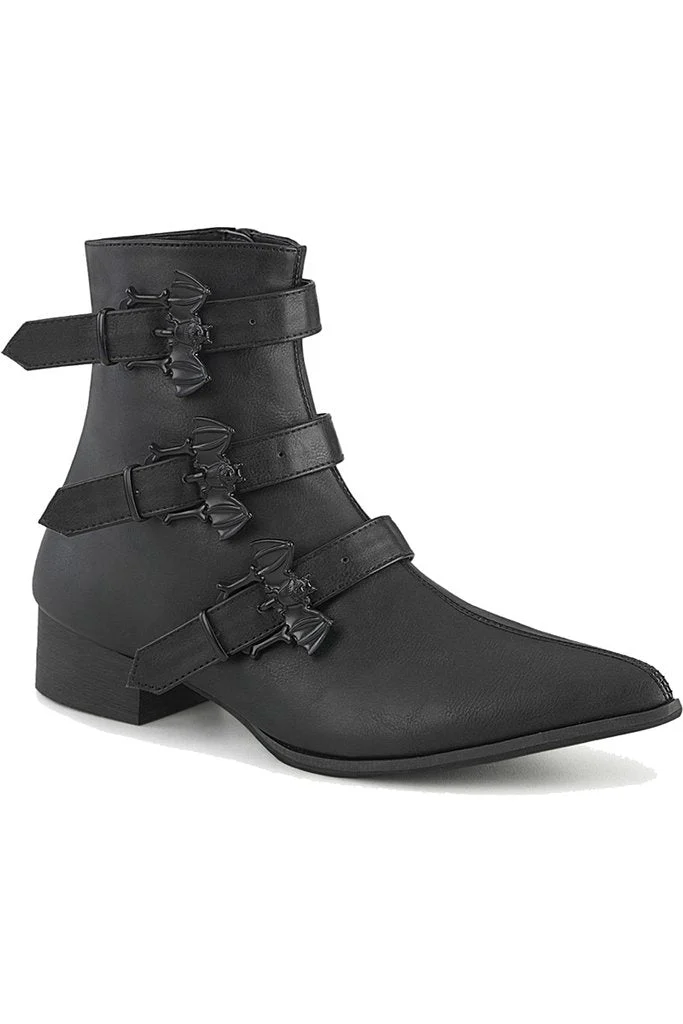
Want the statement look with maximum forgiveness? The Gothic Warlock Boots pair a dramatic silhouette with strap-secured ankles, which is exactly the stability beginners need most.
The Sizing Trap: Why Gothic Boots Never Fit the Way You Expect
Gothic boot sizing is the single biggest source of buyer regret. Reviews on alternative footwear tell the same story: one brand runs a full size big, another runs narrow, and casual “just size down” advice gets people into painfully small boots. One oft-quoted reviewer found that sizing down a full size in platform boots left them unwearable — half a size was the actual answer.
The rules that actually work:
- Start with your regular size and read the reviews first. Sort reviews by “sizing” mentions. If five people say a boot runs big, believe them.
- Measure your feet, do not guess. Trace both feet on paper, measure the longer one, and compare against the retailer’s size chart — not your sneaker size.
- Fit with the socks you will actually wear. Thick socks or tights can change fit by half a size.
- Between sizes? Size up. A roomy boot is fixed with an insole; a too-tight boot is a blister factory with no remedy.
- For knee-high styles, measure your calves too. A shaft that pinches the calf will chafe no matter how well the foot fits.
If you want a first pair that forgives sizing mistakes, ankle boots are the move — less shaft, less to go wrong. The Men’s Ankle Boots are a straightforward entry point with a stable heel that works for daily wear. For more on getting dark-wear fits right across the board, our gothic sizing guide covers clothing measurements too.
How to Break In Gothic Boots Without Blisters
Almost every “these boots destroyed my feet” story shares one detail: the wearer took them straight to a full day out. Break-in is not optional with stiff boots. Wear them indoors for 20 to 30 minutes at a time over two to three weeks — real movement, stairs included — and increase the time as the material softens and molds to your feet.
A few community-tested tricks:
- Heel-lock lacing stops heel slide, where most blisters start.
- Blister tape on hotspots in week one, before skin breaks — not after.
- Cushioned insoles from day one. Wool-felt or gel insoles add padding and soak up sweat; reviewers consistently call them the difference between wearable and unwearable.
- Condition real leather before the first long wear so it flexes instead of cracking.
Expect some stiffness in week one — that is the boot shaping to you. Sharp pain or numbness is not break-in, though; that is a fit problem, and no amount of suffering will fix it.
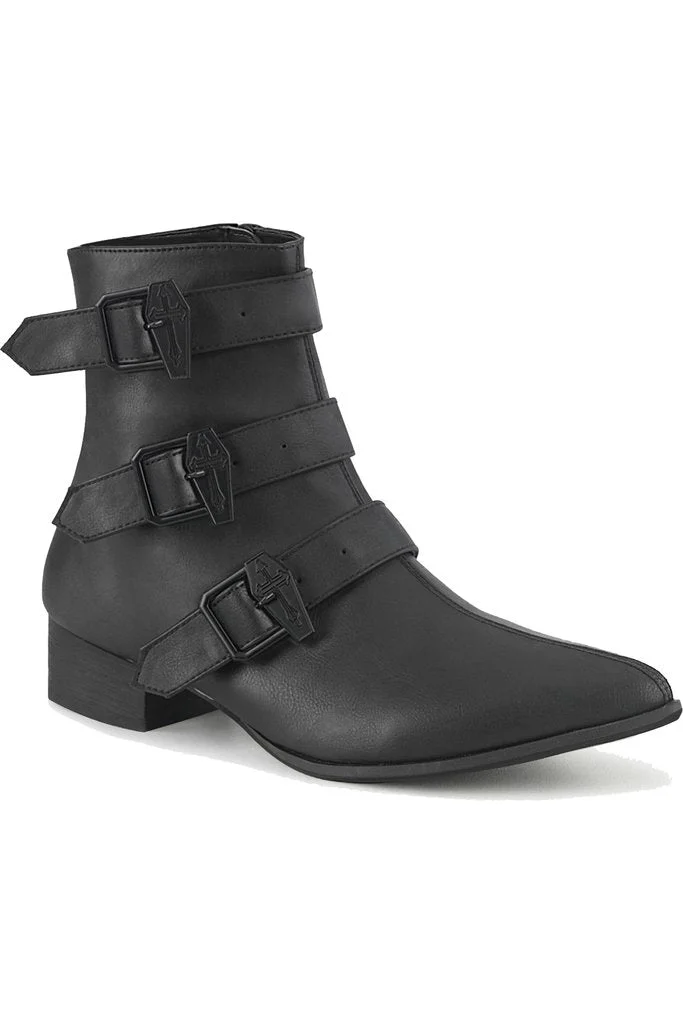
Boots with adjustable straps like the Gothic Danger Boots make break-in easier, since you can loosen the fit as your feet swell during longer sessions and tighten them once the material relaxes.
How to Walk in Platform Boots Without Wiping Out
Platforms change your gait. Take smaller steps than feels natural and land flat-footed rather than heel-first. Give yourself indoor practice sessions — hallways and stairs at home — before debuting them outside.
Terrain matters more than beginners expect. Cobblestones, grass, gravel, and wet surfaces are where platform wearers fall — check sole traction before buying and prefer rubber soles with real tread. Secure every strap and lace firmly; a loose ankle collar is how ankles roll. And if the plan is an outdoor festival with mud and stages, the community consensus is a reinforced ankle boot over a 5 inch platform. Our goth concert guide explains why pit safety starts at your feet.
What to Wear With Gothic Boots
Boots are the easiest part of a goth wardrobe to style — they anchor almost anything dark. A few formulas that never miss:
- Combat boots + skinny jeans + band tee + leather jacket — the everyday uniform, works year-round.
- Platform boots + mini skirt + fishnets or ripped tights — legs look longer, boots get the spotlight.
- Ankle boots + midi skirt or velvet dress — romantic goth without the costume feel.
- Chunky boots + cargo pants or shorts — punk-goth fusion that handles concerts and daily wear alike.
Keep the rest of the outfit simple when the boots are loud — one statement piece per outfit keeps platform boots from tipping into costume territory.
Keeping Your Boots Alive: Care Basics
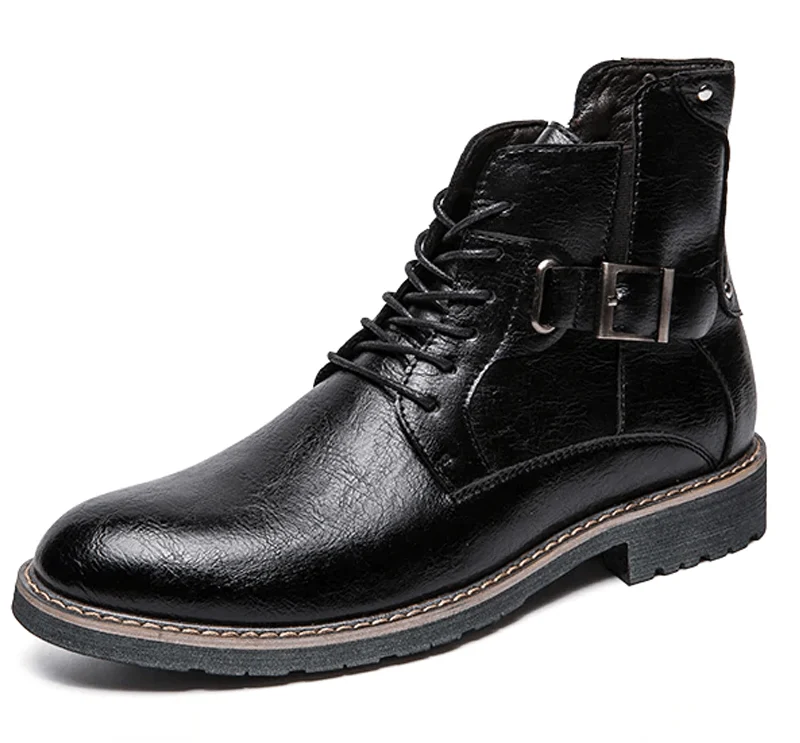
Good boots outlive trends, but only if you maintain them. Brush off dirt after each wear, wipe faux leather with a damp cloth, and condition real leather a few times a year so it stays flexible. A waterproof protector spray before rainy season saves the finish. Store boots upright with newspaper or boot trees inside so the shafts do not collapse and crease — creases are where cracks start.
One caution from long-term reviewers: if a “leather” boot chips instead of scuffing, it is bonded or coated material, and no conditioner will save it. Buy the best construction you can afford — one well-made pair outlasts three cheap ones.
Gothic Boots FAQ
Do platform gothic boots hurt your feet?
They can, but construction matters more than height. A well-made 3 inch wedge platform with a cushioned insole often feels better than a flat boot with no support. The pain stories come from stiff, unsupportive platforms worn all day with no break-in — avoid that combination and most people adapt fine.
Should I size up or down in gothic boots?
Start with your regular size and adjust based on reviews for that specific boot — many alternative brands run large or narrow. If you are between sizes, size up: insoles and thick socks fix a roomy boot, but nothing fixes a boot that is too small.
How long does it take to break in gothic boots?
Plan on two to three weeks of short indoor sessions, 20 to 30 minutes at a time. Softer materials and ankle boots may take only a few days; stiff platforms can need the full three weeks. Sharp pain or numbness means the fit is wrong — do not try to break through it.
3 Comments