Gothic Ankle Boots: Fit, Styling & Care Guide
Gothic ankle boots end just above the ankle bone, pair with almost everything in a dark wardrobe, and break in faster than knee-high or combat styles. Choose a style that matches your daily walking distance, fit them around the ankle rather than the calf, and break them in gradually to avoid blisters.
Why Gothic Ankle Boots Earn Their Place
Ankle boots solve a problem taller boots create. Full-length boots trap heat, demand a break-in period measured in weeks, and fight with skinny jeans and short skirts. Ankle boots skip all three issues while keeping the hardware, platforms, and dark attitude.
Community feedback on gothic footwear keeps returning to the same complaints: boots that pinch the ankle bone, zippers that fail after a season, and soles that feel like walking on boards. Ankle boots are not immune to these problems, but their shorter shaft means less material to fight your foot, and most issues can be fixed at the fitting stage rather than endured for months.
Three Gothic Ankle Boot Styles Worth Knowing
Double-Buckle Ankle Boots: Everyday Edge
Buckle boots are the workhorse of the category. Two straps across the ankle do more than look good: they let you fine-tune the fit over thick or thin socks, and they stop the boot from gaping when you walk. They suit jeans, leather pants, and short skirts equally well, which is why many goth wardrobes start here.
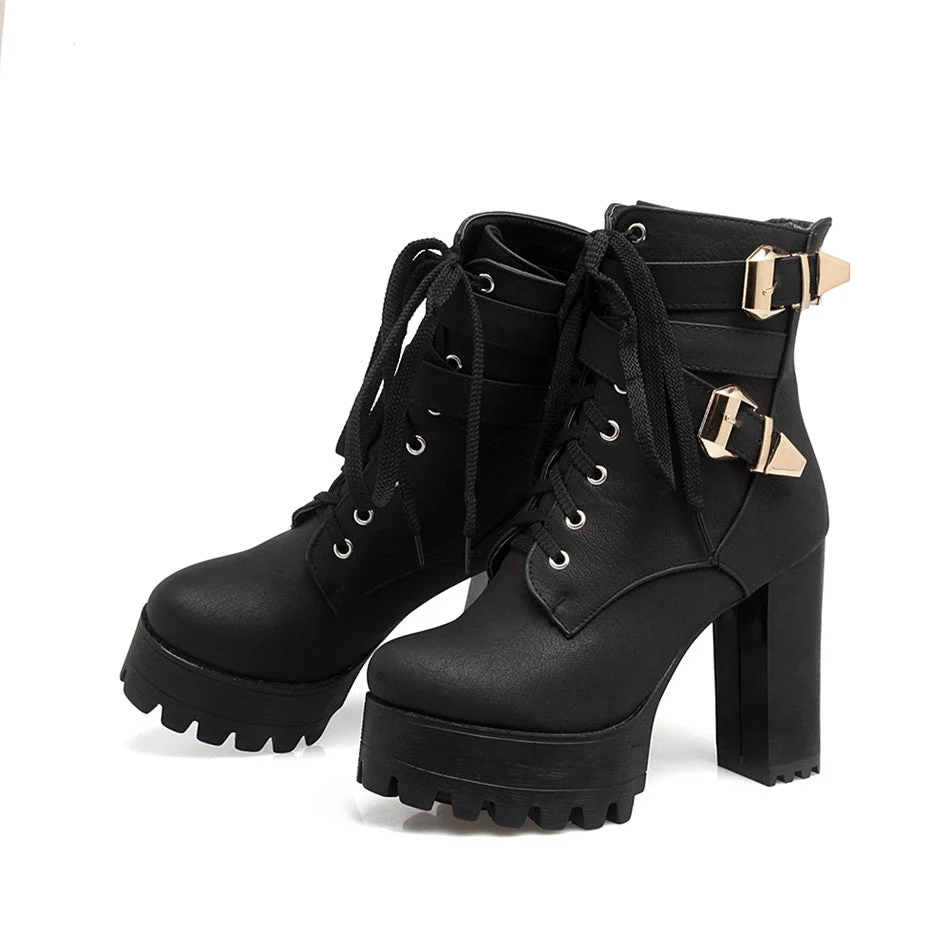
The Double Buckle Ankle Boots are a good first pair because the buckles forgive a slightly imperfect size. If you sit between sizes, size up and tighten the straps rather than squeezing into the smaller size.
Platform Ankle Boots: Height Without the Climb
Platform ankle boots add height through the sole rather than a steep heel, so the foot stays closer to level and the ankle does less balancing work. That makes them a popular choice for all-day wear, concerts, and anyone who wants stature without the wobble of a stiletto. The trade-off is weight and a chunkier silhouette, which pairs best with wide-leg pants, long skirts, and oversized layers.
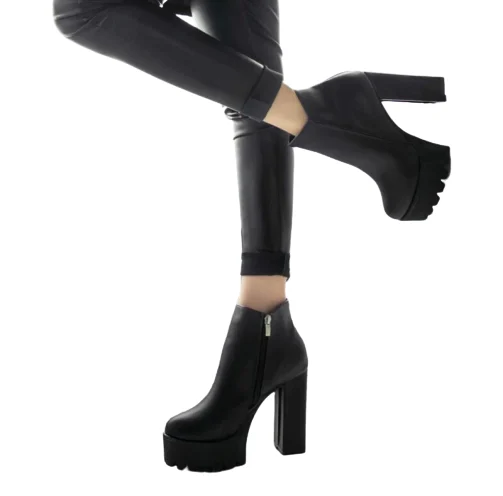
The Darkling Platform Ankle Boots show the formula well: a solid platform, a dark upper, and enough grip for uneven ground. Walk on flat ground first before taking platforms to stairs or wet streets, since the extra sole height changes how your foot lands.
Steel-Punk Ankle Boots: Hardware-Forward Attitude
Steel-punk styles lean into metal hardware, toe caps, and studded details. They look best with simple outfits: black jeans, a plain tee, and one statement layer, so the boots carry the outfit. Because the hardware adds weight and stiffness, these boots need the most patient break-in of the three styles.
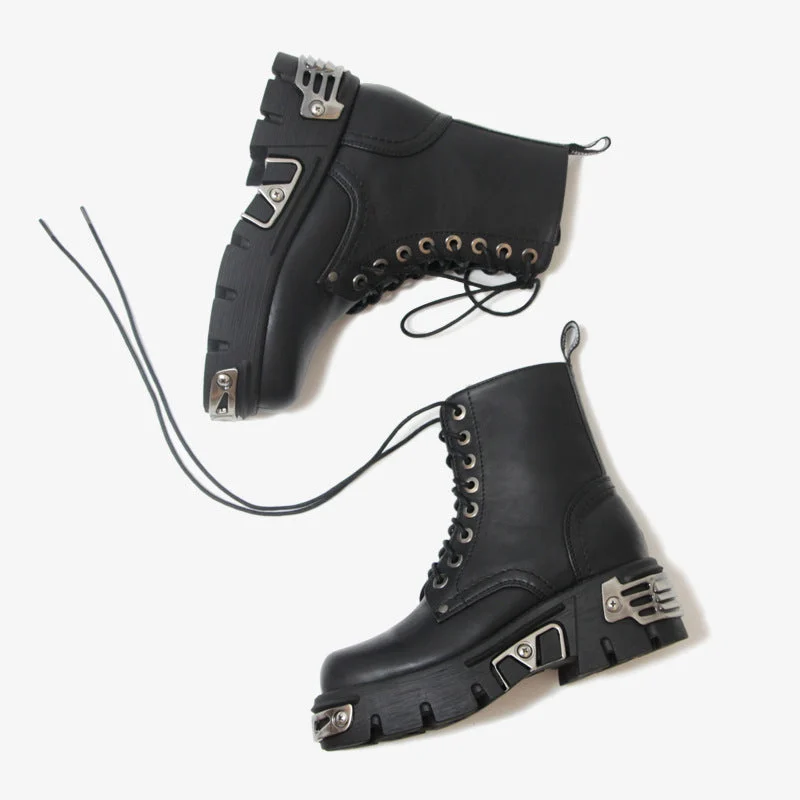
The Steel Punk Ankle Boots reward that patience. Flex the boots by hand before first wear, and expect the toe box to soften over the first week rather than the first day.
Getting the Fit Right at the Ankle
Fit in ankle boots is decided at three points: the ankle bone, the widest part of the foot, and the heel. Your heel should stay put when you walk, with no more than a small amount of lift. Your toes should be able to wiggle, and the boot should close around the ankle without digging into the bone.
Measure Before You Order
Measure both feet at the end of the day, when feet are slightly swollen, and use the larger foot as your reference. If the boot has a side zip, check that the zip closes over your ankle without forcing it; a zip that needs a hard pull on day one will usually fail early. Try boots on with the socks you actually wear, since thick goth socks can add half a size.
Between Sizes? Size Up, Then Adjust
The most repeated advice in gothic boot reviews is simple: when you sit between sizes, go up. A slightly roomy boot can be fixed with thicker socks or an insole. A too-tight boot cannot be fixed at all, and it will punish your toes and ankle bone on every step. Buckle and lace details help here, since they let you take up the extra room exactly where you need it.
Breaking In Ankle Boots Without Blisters
Wear new ankle boots indoors for short sessions first: an hour on day one, two on day two, then a short walk outside. This lets the leather or faux leather shape to your ankle without the friction of a full day. Moleskin or blister patches on the ankle bone and heel during the first week prevent the hotspots that turn into blisters.
Never break in boots on a day when you cannot change shoes. Keep a backup pair in your bag for the first two weeks. If a specific spot keeps rubbing after a week, the fit is wrong, not the break-in; no amount of endurance fixes a boot that presses directly on the ankle bone.
Styling Gothic Ankle Boots
Ankle boots are the most flexible gothic footwear for styling. With skinny jeans or leather pants, tuck the hem just above the boot so the hardware shows. With dresses and skirts, match the boot to the hemline: short hems pair with buckle or punk styles, while long hems work best with platforms that peek out below the fabric.
For a softer look, pair ankle boots with a long cardigan or oversized coat and a simple dress; the boots keep the outfit from drifting into purely romantic territory. For a harder look, go monochrome: black boots, black pants, and one metal accent, such as a chain or spiked bracelet.
Care: Zippers, Buckles, and Soles
Zippers are the most common failure point on ankle boots. Keep them clean, run them slowly, and never force a stuck zip; a dab of zipper wax or a pencil rubbed along the teeth helps a sticky zip glide. Buckles need the occasional check: tighten loose prongs before they bend, and wipe metal hardware dry after rain to slow tarnish.
Clean leather and faux leather with a damp cloth, and let wet boots dry at room temperature away from radiators, which crack both materials. Stuff boots with paper when storing them so the ankle shaft keeps its shape, and rotate pairs when you can so soles and insoles recover between wears.
FAQ: Gothic Ankle Boots
Are ankle boots comfortable for all-day wear?
Yes, once fitted and broken in. Their short shaft means less weight and less heat than taller boots, and platform styles spread your weight more evenly than heels. The key is ankle-true fit and a gradual break-in, not a first day spent entirely on your feet.
Should I size up in gothic ankle boots?
If you sit between sizes, yes. Size up and adjust with socks, insoles, or buckles. A too-small boot presses on the ankle bone and toes and will not stretch enough to fix that.
Can you wear ankle boots with dresses?
Absolutely. Ankle boots are one of the easiest gothic shoes to pair with dresses, from short skirts to long hems. Match chunkier platforms to longer hems and slimmer buckle styles to shorter hems for the cleanest silhouette.