Gothic Autumn Layering: How to Layer Dark Outfits for Fall
Autumn gothic layering works when each layer earns its place: a thin fitted base, one textured middle layer, and a long outer coat. Keep textures different, lengths staggered, and the bulkiest piece on the outside, and a dark outfit stays sharp from a chilly morning to a warm afternoon indoors.
Why Autumn Layering Goes Wrong for Goths
Autumn is the hardest season for a dark wardrobe: cold mornings, warm afternoons, overheated cafes, and cold evenings again. The usual response is to pile on black piece after black piece, and the result is the classic goth-community complaint: the “black blob.” Everything merges into one shapeless dark mass and the silhouette disappears.
The fix is not fewer layers. It is better layers. Each layer should have a job, and you should be able to remove any one of them without the whole look falling apart.
The 3-Layer Formula That Actually Works
Most reliable autumn outfits follow the same three-part structure, for casual days, nights out, and office-friendly dark looks alike.
Layer 1: The base
Thin, fitted, and close to the body: a long-sleeve tee, a mesh top, or a fitted shirt. This layer stays on all day, so it must be comfortable on its own.
Layer 2: The middle
The texture and personality layer. A cardigan, an open shirt, or a light jacket, where velvet, knit, lace, or leather does its work.
Layer 3: The outer
The silhouette layer. A long coat, a duster, or a trench that defines the shape of the whole outfit; it comes off indoors, so the layers beneath must already look finished.
Base Layer: Start Thin and Fitted
The base layer sets the fit of everything above it. If it is baggy, every layer on top bunches and pulls, so choose a fitted long sleeve in a breathable fabric with sleeves that sit smoothly at the wrist.
A fitted base also solves the indoor problem. When you take your coat off, the base plus one middle layer is your whole outfit, so pick a base you would happily be seen in on its own.
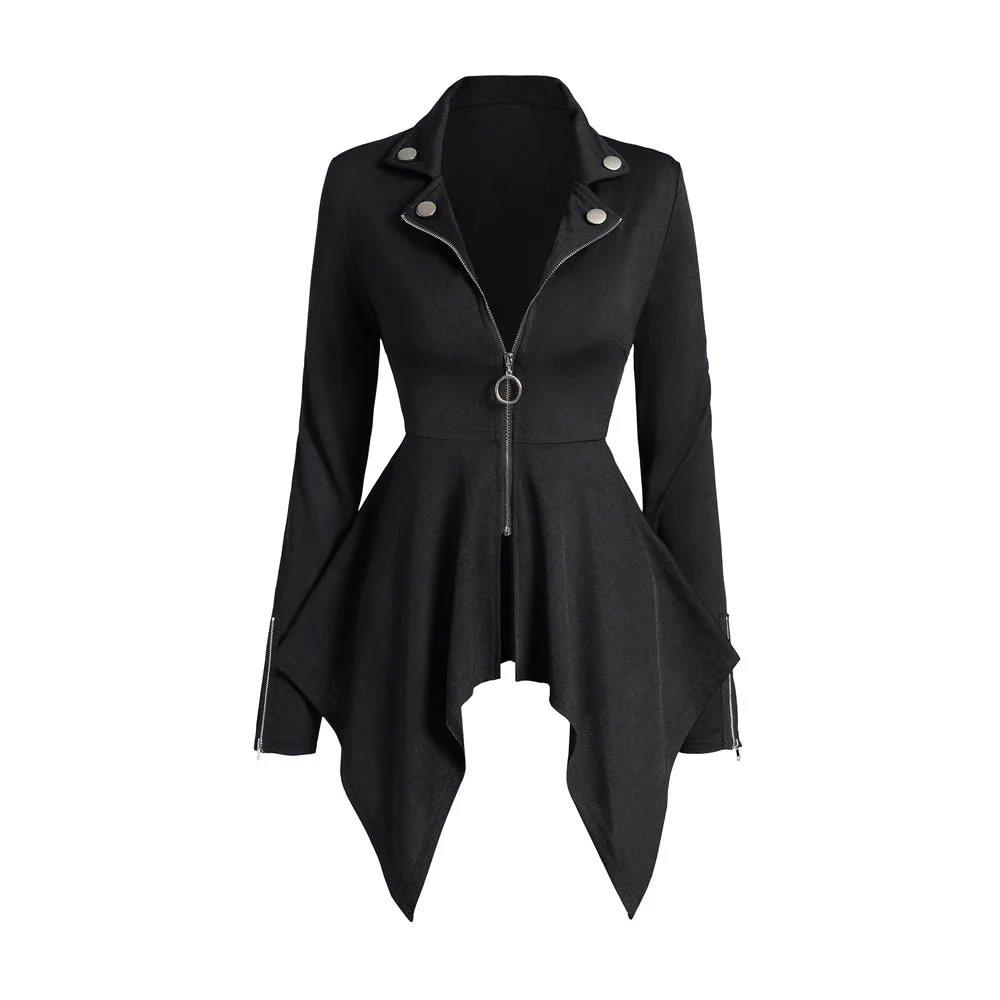
A zip-up long sleeve like the Gothic Long Sleeve Jacket works well as a base: the asymmetric hem adds shape without bulk, and the zip lets you vent when the afternoon warms up.
Middle Layer: Add Texture, Not Bulk
The middle layer is where most autumn outfits fail: people add a second heavy piece and suddenly cannot move their arms. The rule is simple: the middle layer should add texture or pattern, not warmth alone. A knit cardigan over a fitted base gives visual depth and insulation without the stiffness of two jackets.
Length matters here. A hip-length middle layer works with high-waisted pants and skirts, while a longer cardigan suits slim bottoms. Open fronts are more forgiving than buttoned ones, because they create a slimming vertical line down the middle of the outfit.
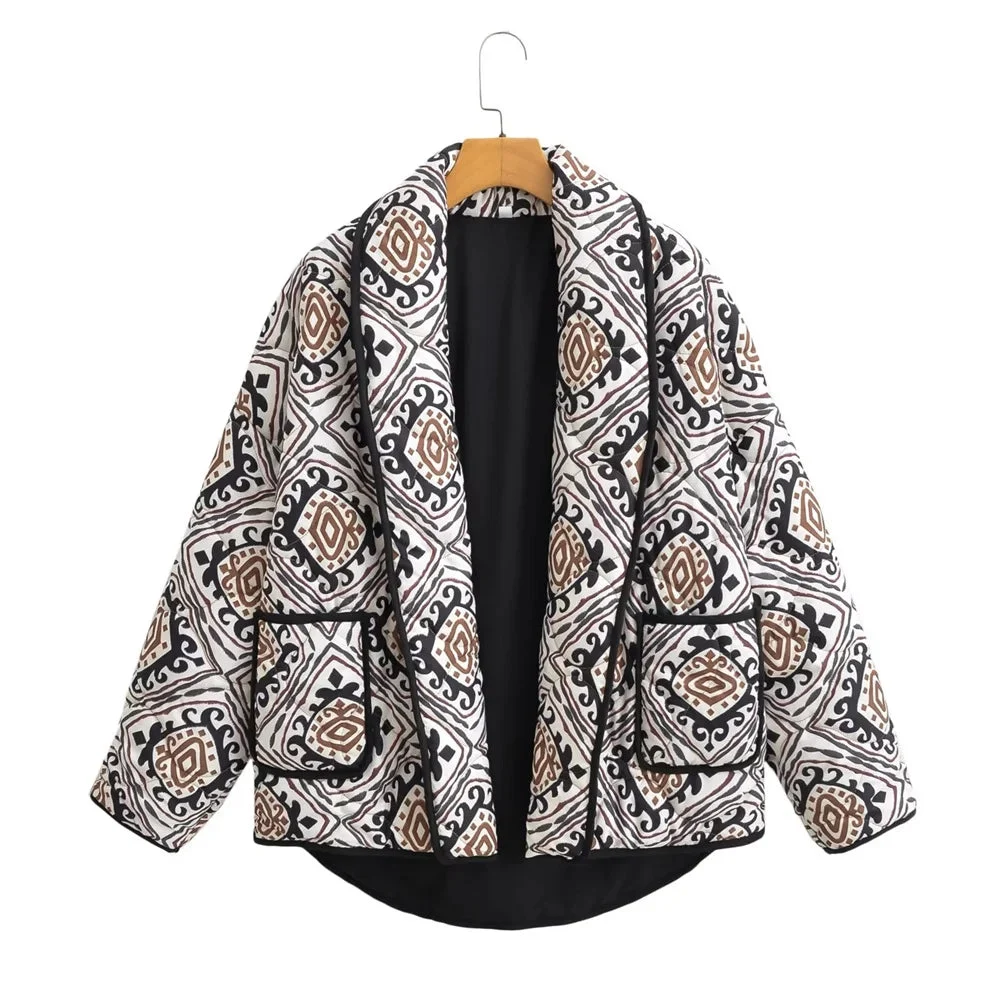
A loose knit like the Women’s Cardigan Coat is an ideal middle layer: it drapes rather than puffs, so it slides under a long coat without bunching.
Outer Layer: The Coat Makes the Outfit
In autumn, your coat is the outfit for half the day. A long open-front duster instantly makes jeans and a tee look intentional, and the open front frames the layers beneath instead of hiding them, so the outfit reads as styled rather than just warm.
Choose the outer layer by your day. A structured coat suits work and evenings out; a softer duster suits casual days. Either way, the shoulder seam should sit at your natural shoulder, not droop down the arm, or the whole outfit will look borrowed.
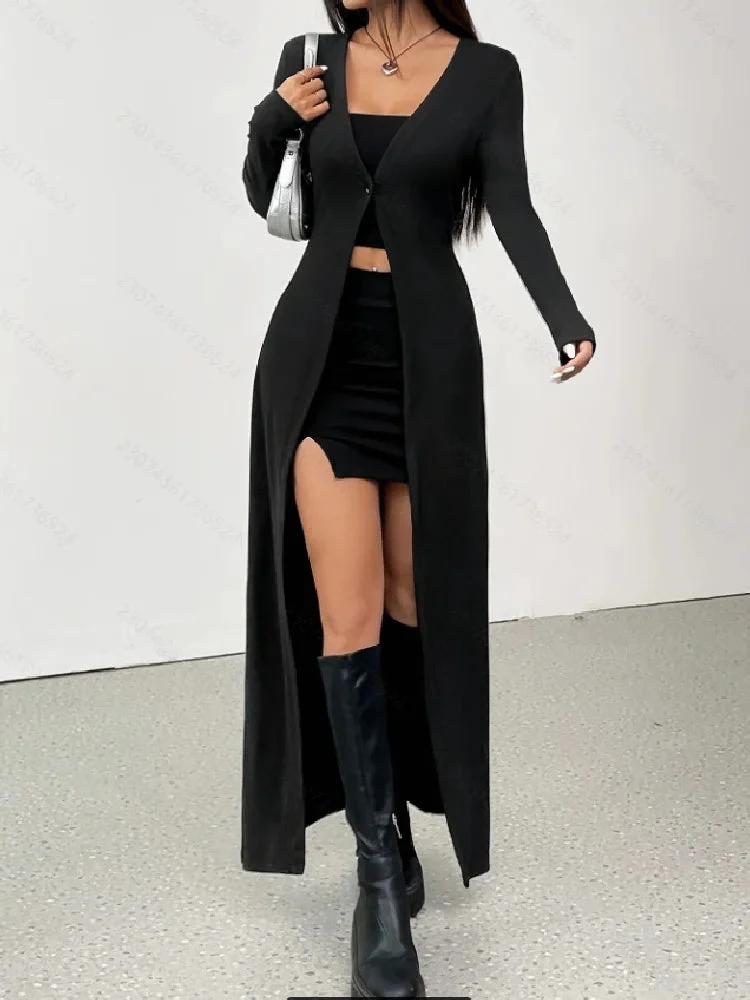
The Noir Open Front Maxi Duster Coat is the classic autumn outer layer: the maxi length adds drama, the open front shows off the layers underneath, and it works over skinny pants or a long skirt.
The Texture Rule: Never Stack Three Identical Blacks
The single most repeated piece of advice in goth layering discussions is about texture: three layers of the same flat black cotton will always look like a blob. Mix them instead, smooth leather with soft knit, matte cotton with a touch of velvet or lace, a shiny buckle against a dull fabric. Each texture catches light differently, so the eye reads three distinct layers even in an all-black outfit.
A practical formula is one matte, one soft, and one hard texture: a matte long sleeve, a soft knit cardigan, and a structured coat with hardware, plus one metal accent as a focal point.
Fit and Proportion Rules
Layering goes wrong most often on proportion. Three rules keep it in check: only one layer should be oversized, so if the coat is long and loose, keep the layers beneath fitted; stagger the hems so each layer ends at a visibly different length; and define a waist somewhere, with a belt, a tucked base, or a high waistband, or the layers will swallow your shape.
Try the outfit sitting down as well as standing: layers that look fine in the mirror often bunch at the waist when you sit.
Autumn Colors Beyond Black
Black is the base, not the whole palette. Autumn is the one season where deep oxblood, dark forest green, charcoal, and burgundy fit naturally into a goth wardrobe without softening it. One colored layer, a burgundy cardigan or a deep green scarf, against black everything else, adds seasonal depth.
Keep the color to one piece per outfit: two competing deep colors split the outfit in half, while one accent reads as a deliberate choice.
Mistakes to Avoid
The most common autumn layering mistakes are easy to fix: a coat you cannot take off indoors because the layers beneath do not work alone, two heavy layers that restrict movement and overheat by midday, matching every texture, which creates the black blob, and ignoring the weather shift, so every layer should be removable and the base presentable on its own.
Another frequent complaint is pilling where layers rub together, especially knit against knit. Keep one layer smooth against the skin, and save fuzzy knits for the outside of the stack.
Caring for Layered Black Clothes
Layered black outfits live or die by wash care. Wash black layers inside out in cold water, skip the dryer for knits and coated fabrics, and hang coats on wide wooden hangers so the shoulders keep their shape. A monthly fabric shaver keeps knit cardigans looking new, and a quick steam revives a duster coat without flattening its drape.
For deeper seasonal guidance, see our gothic winter dressing guide, gothic trench coat guide, and gothic velvet jacket guide.
FAQ
How many layers should I wear in autumn?
Three is the sweet spot: a thin fitted base, one textured middle layer, and one outer coat. Two leave you cold; four restrict movement and overheat indoors.
How do I layer goth clothes without looking bulky?
Keep only one layer oversized, stagger the hem lengths, and mix textures so each layer reads separately.
Can I wear an all-black layered outfit without it looking flat?
Yes, if the textures differ. Combine matte cotton, soft knit, and structured leather or hardware in one outfit, with one metal accent.
1 Comment