Gothic Velvet Shoes: Doll Shoes, Chunky Platforms & Ballerinas — Styling, Fit & Care
Gothic velvet shoes work when you match the silhouette to the occasion, protect the pile from rain and crushing, and break them in before a long night out. Doll shoes suit everyday dark-romantic looks, chunky platforms add height and drama, and ballerinas are the comfortable choice for long events.
Why Velvet Works for Gothic Footwear
Velvet gives gothic shoes a soft, light-catching surface that leather cannot copy. In low light, the pile shifts between deep black and a softer sheen, which is why velvet shoes photograph so well at concerts and evening events.
That softness comes with trade-offs: velvet crushes under pressure, shows water marks, and picks up dust and pet hair. It simply means velvet footwear needs a little more planning than boots: check the weather, carry a small brush, and store them so nothing heavy sits on top.
Three Velvet Shoe Styles, and When to Wear Each
Velvet Doll Shoes: Everyday Dark Romance
Doll shoes are the easiest velvet shoe to wear daily. Their low profile and rounded shape pair naturally with skirts, dresses, and cropped trousers, and keep a dark-romantic outfit from feeling costume-like.
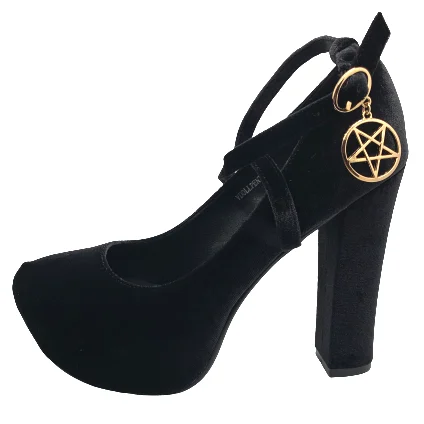
The Velveteen Doll Shoes show the style done right: soft velvet and a gentle shape that works with both vintage-inspired and modern gothic outfits. Style them with a knee-length skirt and opaque tights in cold weather, or a short dress and ankle socks when it is warmer. Avoid very long, heavy trousers, which hide the shoe entirely.
Velvet Chunky Platforms: Height, Drama, and Attitude
Chunky platforms are the statement option. They add several inches of height, lengthen the leg line under short skirts and wide-leg trousers, and anchor an outfit that might otherwise feel too soft.
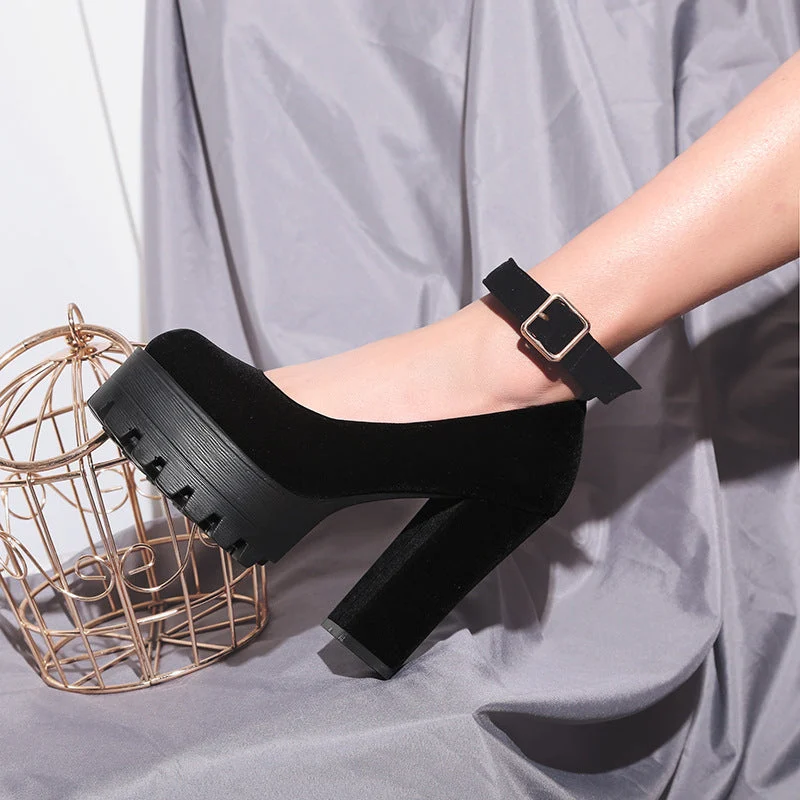
Velvet Chunky Platforms combine a bold platform sole with soft velvet, so the shoe reads dramatic without looking harsh. Fit matters most here: a platform slightly too large slips at the heel, and one too tight punishes your toes within an hour. Buy your true size, break them in with short indoor sessions, and add a cushioned insole if the sole feels hard.
Velvet Ballerinas: Comfort for Long Nights
Ballerinas are the underrated workhorse of gothic footwear. They weigh almost nothing, pack flat into a bag, and keep you comfortable through hours of standing and dancing.
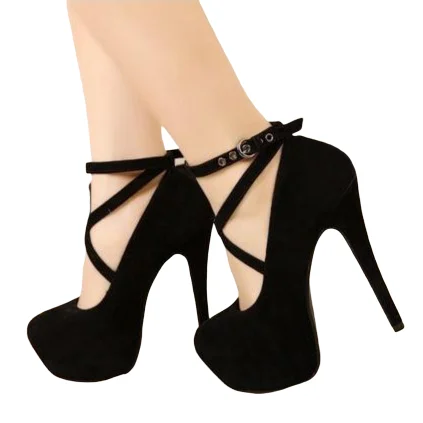
Velveteen Ballerina Shoes suit long events, travel days, and outfits where shoes should support the look rather than dominate it. Pair them with a flowing maxi skirt, a short dress with tights, or cropped trousers. Because ballerinas offer little arch support, add a thin insole if you plan to walk far.
How to Style Gothic Velvet Shoes
Let the shoes set the tone, then build around them. Velvet already carries texture and visual interest, so pair it with one or two other textures rather than a pile-up of lace, mesh, chains, and studs. A velvet shoe with a velvet choker or skirt creates a deliberate echo; ten competing textures create noise.
Color rules stay simple. Black velvet shoes go with everything in a gothic wardrobe, from all-black outfits to burgundy and deep red accents. On a very dark outfit, velvet adds depth rather than contrast.
Balance proportions. Chunky platforms need a short hemline that shows the shoe or wide-leg trousers that drape over it. Doll shoes and ballerinas are more forgiving and work with nearly any hemline.
Fit Checks Before You Buy
Velvet has very little stretch compared with leather, so sizing deserves care. Check three things: your toes should not press against the front when you stand, because velvet will not give much with wear; the heel should stay put when you walk, since a slipping heel on a platform is uncomfortable and unsafe; and the width should feel comfortable from the first try, since velvet softens slightly but never stretches like leather.
Community advice from goth fashion forums repeats the same warning: do not buy velvet shoes a size small hoping they will break in. They will not. If you are between sizes, size up and add an insole or heel grip, and always test new velvet shoes indoors first so you can still return them if the fit is wrong.
Velvet Shoe Care: Keeping the Pile Beautiful
Velvet care is mostly about prevention. Brush the pile gently after wearing, always in one direction, to lift dust and restore the nap. For light marks, a barely damp cloth dabbed on the spot usually works; never soak velvet shoes or scrub hard, which flattens the pile.
Rain is velvet’s real enemy. Water spots show clearly on dark velvet and can leave rings as they dry. If you get caught in rain, blot the shoes dry at once, stuff them loosely with tissue paper to hold their shape, and air-dry them away from direct heat. A fabric protector spray made for velvet, applied before the first wear, is the single most useful purchase for any velvet shoe owner.
Storage matters too. Keep velvet shoes cool, dry, and out of direct sunlight, which fades the pile. Store them upright with tissue inside, never under heavy boots or boxes.
Common Velvet Shoe Problems, Solved
Crushed or Flat Pile
Crushing happens when something heavy presses on velvet for a long time. Light crushing often recovers with gentle brushing or brief steaming. Deep, long-term crushing may not fully recover, which is why storage habits matter more than rescue tricks.
Water Marks and Rain Damage
Water marks form when only part of the shoe gets wet and dries unevenly. Blotting quickly and drying evenly helps. Prevention beats repair: check the forecast, and save velvet shoes for dry days when you can.
Sore Feet in Platforms
Platform soreness usually comes from poor fit or no break-in period, not from the platform itself. Break platforms in with short indoor sessions and cushioned insoles, and protect any spot that rubs before it becomes a blister. If a platform still hurts after several short wears, the size or shape is wrong for your foot.
FAQ: Gothic Velvet Shoes
Can you wear velvet shoes every day?
Yes, if you choose the right style. Doll shoes and ballerinas handle daily wear well with a protector spray and regular brushing. Save chunky velvet platforms for events and nights out, where their drama earns its keep.
Are velvet shoes warm enough for winter?
Velvet offers light insulation, but velvet shoes are not winter boots. They work for cold-weather evenings with thick tights or warm socks, but they are a poor choice for snow, ice, or heavy rain. Keep boots for truly bad weather.
How do you clean velvet shoes without ruining them?
Brush after every wear, dab small marks with a barely damp cloth, and never soak or machine-wash them. For stubborn marks, a cleaner made for velvet or suede is safer than household detergents. Always test any product on a hidden spot first.
Final Thoughts
Gothic velvet shoes reward a little thought: doll shoes for everyday romance, chunky platforms for drama, ballerinas for comfort. Choose the silhouette that matches how you spend your time, protect the pile from rain and crushing, and break new pairs in gently. Do that, and velvet shoes will stay among the most distinctive pieces in your wardrobe.