How to Care for Faux Leather: Keep Your Goth Leather-Look Clothes from Cracking, Peeling & Fading
If you dress goth, you own faux leather — and you know it can peel, crack, or go plasticky-fast. The fix is simple: hand-wash with mild soap instead of machine-washing, condition the PU surface every few wears, never let heat or dryers near it, and hang it away from radiators. Do that, and black leather-look pieces stay glossy for years.
Why Faux Leather Peels, Cracks, and Fades
Faux leather is a thin layer of polyurethane (PU) bonded to a fabric backing. That PU skin is the weak point. Amazon reviews for budget leather-look pants tell the same story over and over: “looked amazing for two months, then the peeling started,” “cracked at the knees after a few wears,” “smelled like chemicals for weeks.”
On Reddit’s r/goth and r/GothicFashion, the consensus is blunt — peeling is almost always a maintenance failure, not a manufacturing defect. The three killers are heat (dryers, radiators, hot cars), solvents (alcohol, acetone, harsh detergents), and friction without conditioning (thighs rubbing, bag straps sawing at shoulders). The PU layer dries out, shrinks at a different rate than the backing, and separates. Once the skin flakes, it cannot be glued back — prevention is the entire game.
That said, quality matters. A thicker PU coating and a knitted backing last far longer than the paper-thin stuff on fast-fashion trousers. Buy pieces with a soft hand-feel and no chemical stink out of the bag; if it smells like a shower curtain on day one, the PU is low-grade.
How to Clean Faux Leather Clothing (Step by Step)
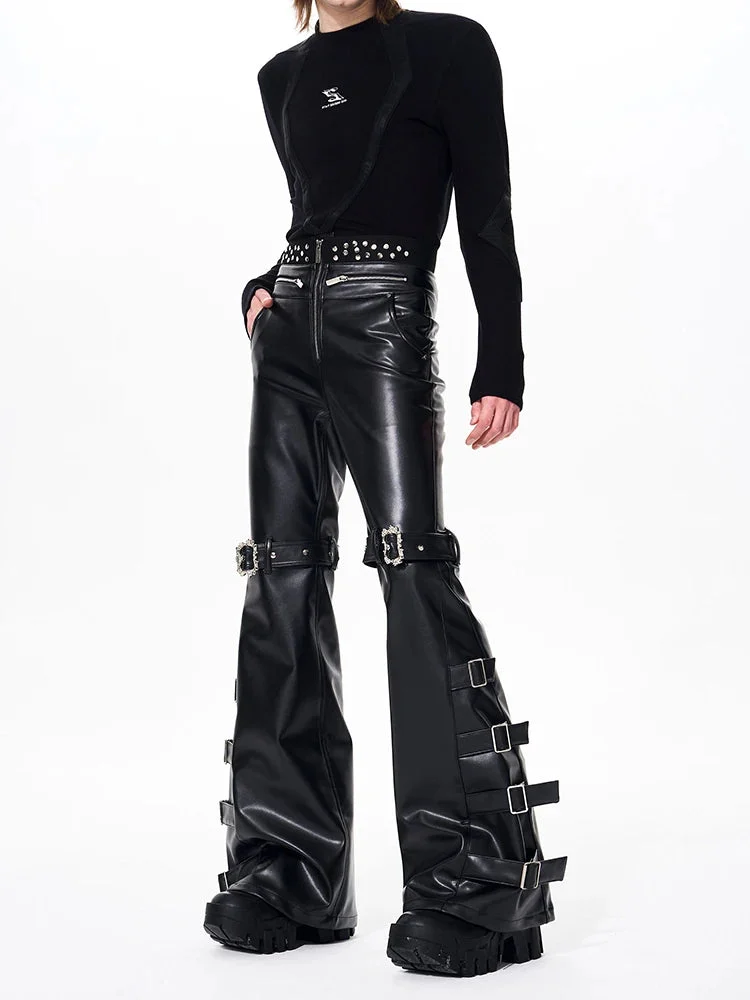
Community advice is unanimous: never machine-wash faux leather if you can avoid it. The agitation and heat are exactly what delaminate PU. Hand-washing takes ten minutes and triples the lifespan.
The 10-Minute Hand-Wash Method
Fill a basin with cool water and a teaspoon of mild soap — baby shampoo or a gentle detergent works, and both are safe for faux leather cleaning. Turn the garment inside out and wipe the surface with a soft cloth dipped in the solution, focusing on sweaty zones like waistbands, underarms, and inner thighs. Rinse with a clean damp cloth (don’t submerge if you can avoid it), then press — don’t wring — the excess water out with a towel. Hang it to air-dry at room temperature, out of direct sun.
Spot-Cleaning Between Washes
For everyday grime, a damp microfiber cloth is usually enough. Dab, don’t scrub — aggressive rubbing thins the PU layer. For stains, a drop of mild dish soap on the cloth, then wipe with clean water. Grease stains (fish-and-chips night, anyone?) respond to a sprinkle of baking soda left for an hour, then brushed off gently.
Conditioning: The Step Everyone Skips
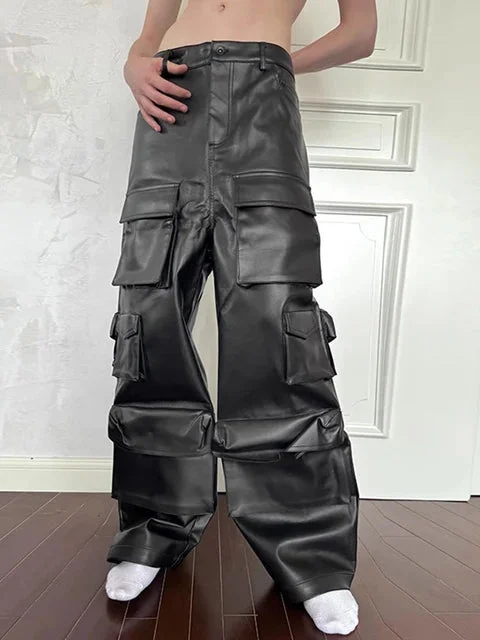
Real leather needs oil. Faux leather needs a vinyl/PU conditioner or a thin silicone-based protectant — products made for vinyl car seats or faux-leather furniture work perfectly. Conditioning keeps the PU supple so it flexes instead of cracking at stress points like knees, elbows, and the seat.
How to do it: after the garment is fully dry, apply a pea-sized amount per section with a soft cloth, rubbing in small circles. Let it absorb for 15 minutes, then buff off any residue with a dry cloth. Do this every 3–4 wears for high-friction items like pants and corsets. One product to avoid: petroleum-based leather creams meant for real hide — they can discolor and weaken PU over time. If the label says “for genuine leather only,” keep it away from your faux pieces.
One thing to avoid: isopropyl alcohol strips the plasticizers in PU and accelerates cracking, so keep rubbing alcohol for your boots’ steel caps — not your pants.
Wear, Storage, and the Sticking Problem
The other great faux-leather complaint is the sweat-stick: PU doesn’t breathe, so on warm days your thighs fuse to the fabric. The community fixes are simple — wear thin shorts or tights underneath (it also cuts inner-thigh friction, which causes peeling), and dust the inside with a little cornstarch-based body powder before long nights out.
Storage matters more than most people think. Always hang faux leather on wide, padded hangers — folding creates creases that eventually crack along the fold line. Keep pieces in a cool, dry closet away from radiators and sun-facing windows, and never compress them under heavier items. And the number-one rule from every vintage goth on Reddit: no dryer, ever. Heat is the fast lane to flaking.
Faux Leather vs. Real Leather for Goth Style
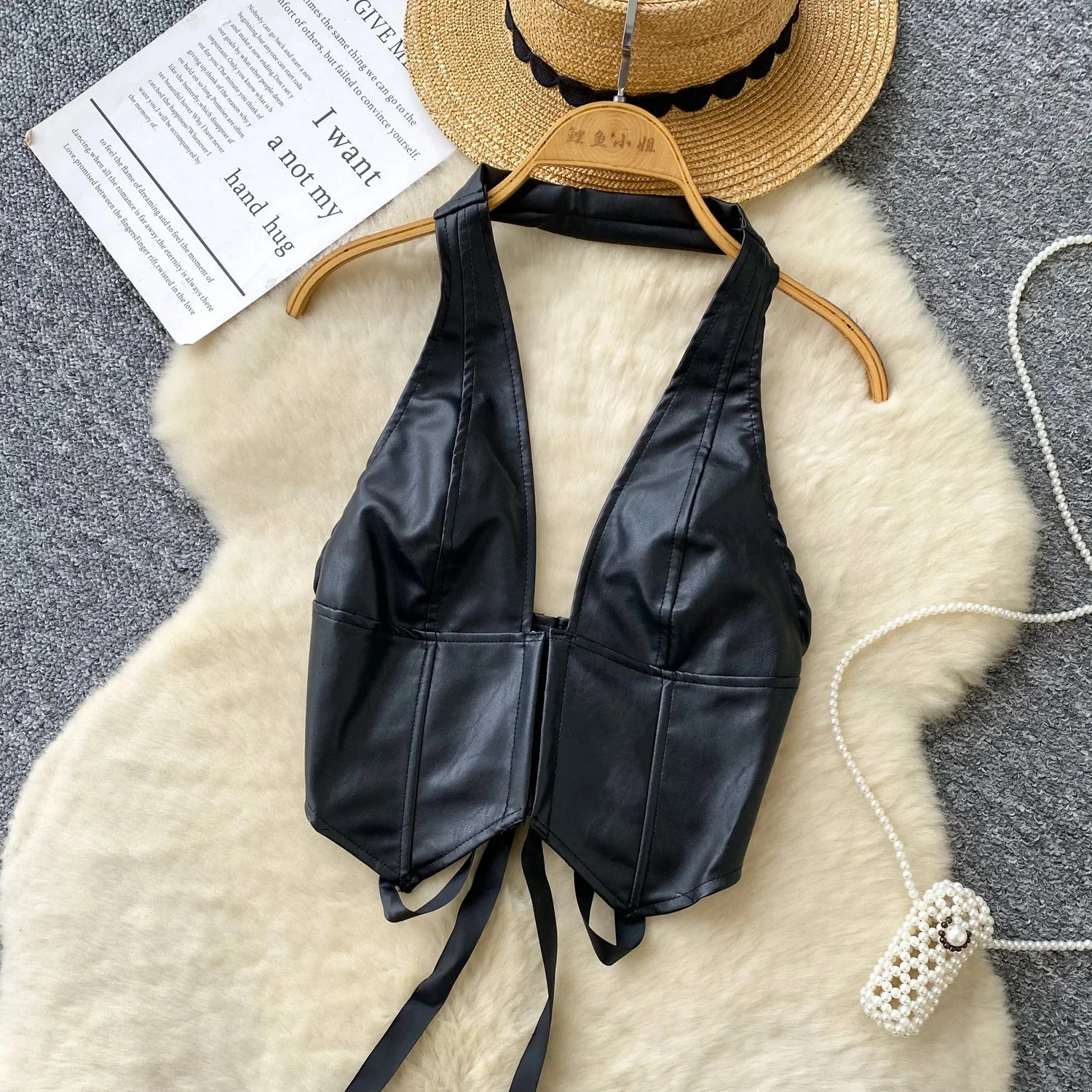
Should you just buy real leather instead? Both have a place. Real leather lasts decades, molds to your body, and ages beautifully — but it costs 5–10x more and needs its own care ritual (oiling, waterproofing, reconditioning). For statement pieces you rotate through a big goth wardrobe — a corset top, a pair of buckle pants — well-cared-for faux leather is the smarter buy. It holds a sharper silhouette, it’s animal-friendly (a genuine value in the goth scene), and with the care routine above, it lasts far longer than its reputation suggests.
FAQ: Faux Leather Care Questions
Can I fix peeling faux leather?
Honestly, no — not invisibly. Once the PU skin separates from the backing, no glue makes it look new again. You can slow it by trimming loose flakes with cuticle scissors and dabbing clear PU sealant on the edges to stop the peel from spreading, which buys a jacket or pair of pants another season. The real answer is prevention.
How do I get the plastic smell out of new faux leather clothes?
Air them outside for a day or two — sunlight and breeze are the fastest cure. A wipe-down with diluted white vinegar (1:3 with water) followed by conditioning also works. If the smell survives a week of airing, the PU is off-gassing heavily and it may never fully fade; that’s a quality signal for next time.
Can I iron faux leather?
Never directly — an iron melts PU on contact. For creases, hang the garment in a steamy bathroom (hot shower running, door closed) for 20 minutes, or hold a handheld steamer at least 15 cm away. Gravity plus humidity smooths most wrinkles safely.
The Bottom Line
Faux leather doesn’t die fast — it dies neglected. Hand-wash instead of machine-washing, condition every few wears, store on hangers away from heat, and never let a dryer touch it. Goth style runs on black leather-look pieces, and this routine keeps them looking razor-sharp for years. Start with well-made PU pieces — like a pair of buckle-detail faux leather pants, leather-look cargo pants for the men’s wardrobe, or a faux-leather corset top — and the care routine above will protect your investment.
1 Comment