Gothic Distressed Clothing: How to Style Ripped Pieces
Distressed gothic clothing — ripped jeans, shredded tees, frayed cargos and shorts — looks effortlessly destroyed, but the best pieces are engineered to hold together. In this guide you will learn how to style distressed pieces the goth way, four DIY techniques that do not fall apart, and care rules that stop your rips from spreading in the wash.
What Distressed Gothic Clothing Actually Is
Distressed clothing is any garment with deliberate wear: rips at the knees, frayed hems, raw edges, or holes backed by exposed threads. In gothic fashion, distressing does more than add texture — it signals attitude. Punk birthed the ripped look in the 1970s as a protest against polish, and goth adopted it as permanent uniform: a black garment looks softer and more worn-in the moment you tear it.
The key distinction is controlled distressing versus damage. Controlled rips have finished, reinforced edges and sit where the garment moves. Damage — blown-out crotch seams, sagging waistbands, threadbare pockets — just looks neglected. When you shop or DIY, that line decides whether a piece reads “intentional dark aesthetic” or “needs a replacement.”
How to Style Ripped and Distressed Pieces the Goth Way
Distressing adds visual noise, so the rest of your outfit should stay calm and dark. Three formulas cover almost everything:
1. Ripped jeans + black layering top
Pair ripped black or grey jeans with a plain black tee or a fitted black turtleneck, then let one detail speak: boots or a belt. The Distressor Cargo Pants work this way — the shredding is the statement, so a simple top and dark boots finish the job without competing.

2. Sheer layers under the rips
Fishnet tights or a mesh long-sleeve under a ripped tee or shorts turns the holes into frames. Skin shows through both the mesh and the tears, which is exactly how the r/GothicFashion community styles distressed shorts — the layer under the rip matters as much as the rip itself.
3. One distressed item per outfit
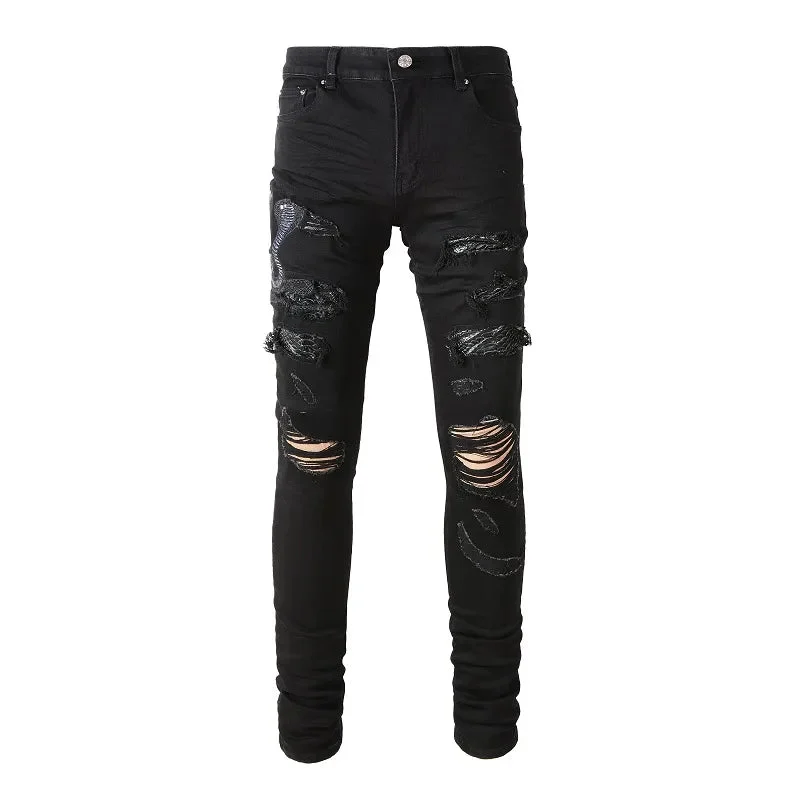
Pick one destroyed hero piece and keep everything else clean: ripped black skinny jeans with embroidered or patchwork details carry holes and texture on their own, so they pair best with a solid black top rather than another distressed piece.
DIY Distressing: 4 Techniques That Last
Reddit’s DIY threads agree on one thing: the technique matters less than finishing the edges. Any cut will unravel past its intended line unless you lock it. Here are the four methods the community rates highest, from safest to boldest.
Sandpaper abrasion
Use 80-grit sandpaper on pockets, hems, and thigh seams for a naturally worn fade before you ever make a cut. It breaks surface fibers evenly, so later rips look earned instead of stamped on.
The box-cutter slit method
Slide cardboard inside the garment, then score horizontal slits across the grain of the fabric. Work the slits with a needle to pull a few threads loose for the classic “window” rip with frayed edges.
Machine wash distressing
Toss a lightly distressed garment in the wash alone to accelerate the fray. One cycle opens slits into believable tears; two cycles is the maximum before the piece starts losing structural integrity.
Edge locking
This is the step most DIY guides skip. Run a line of stitching — hand or machine — a quarter inch outside every rip you intend to keep. Clear fabric glue or fray-check liquid works as a no-sew alternative. Unsealed rips grow in every wash, which is why thrift-store DIY jobs blow out in a month.
Why Store-Bought Distressed Clothes Rip Further (and How to Check)
Amazon reviews of distressed pants and shorts repeat the same complaint: the rips look great on arrival, then creep outward with every wash until a knee slit becomes a thigh tear. The cause is unreinforced edges meeting agitation.
Before buying a pre-distressed piece, check three things. First, look at the back of each rip — there should be stitching, fused backing, or bound edges, not raw threads hanging free. Second, tug the rip gently; if it visibly stretches wider, it will do the same in the washing machine. Third, check whether the distressing zones have a second fabric layer behind them, like the leather patchwork on the Men’s Skinny Ripped Jeans, which keeps the holes decorative rather than structural.
Care Rules: Keeping Your Distressed Pieces Alive
Washing is where distressed clothing dies. Every cycle loosens frayed edges a little more, so the rules are stricter than for normal black clothes:
- Wash cold, inside out, in a mesh bag. The bag stops rips catching on other garments and on the machine drum.
- Skip the dryer. Heat shrinks denim unevenly around rips and pulls frayed edges tighter, which makes them snap. Air-dry flat or hang by the waistband.
- Wash less often. Spot-clean small stains and air pieces out between wears. Denim especially survives longer with fewer washes — our gothic denim care guide covers the black-fade side of the same habit.
- Repair early. A small rip backed with an iron-on patch looks intentional; a large one looks like an accident. Patch from the inside with black fabric so the repair stays invisible.
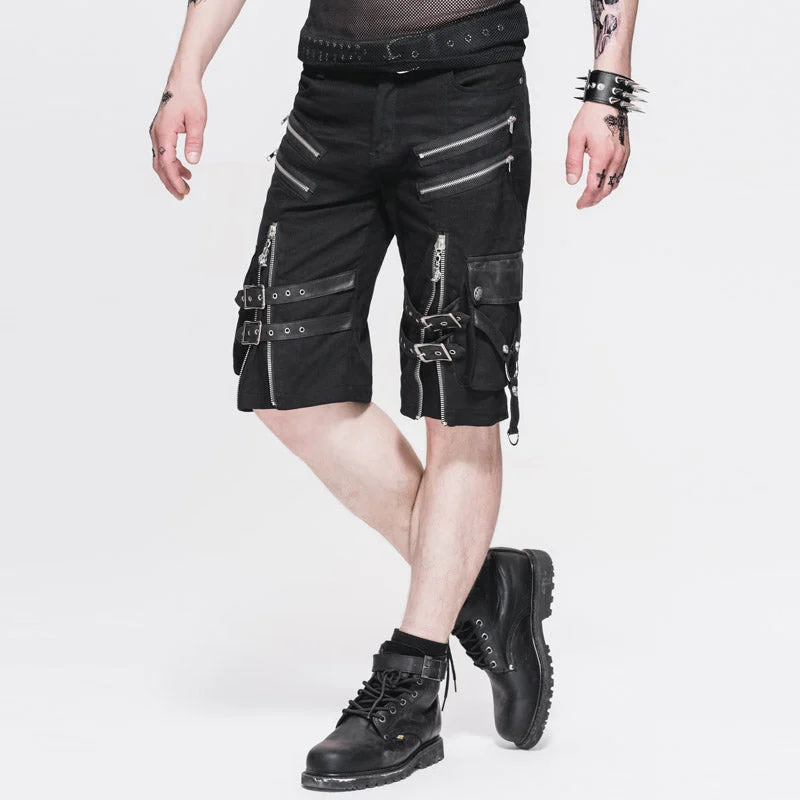
For summer looks, distressed shorts follow the same rules — the Distressor Shorts get their edge from frayed hems and ripped panels, and a cold wash in a mesh bag keeps those edges exactly where they are.
Distressed Style Beyond Jeans
Once you understand the finish-first rule, distressing works on almost any dark garment: shredded tees, frayed cargo shorts, raw-hem overshirts, even the DIY patch jackets covered in our punk vs goth style guide. The punk movement proved a garment could be destroyed and wearable at the same time; goth just made it black.
Ready to add shredded pieces to your wardrobe without the fast-fashion regret? Browse the collection, and see our goth on a budget guide for building the whole dark wardrobe around them.
FAQ
Is distressed clothing still in style in 2026?
Yes. Distressed denim and shredded tees have been a goth staple since the 1980s and never fully left. Current styling favors controlled distressing — intentional rips with reinforced edges — over the blown-out everything-ripped look of a decade ago.
How do I stop my ripped jeans from ripping more?
Wash them cold, inside out, in a mesh bag, and air-dry instead of machine-drying. For DIY rips, stitch or glue the edges before the first wash. Reinforced backing behind the rip is what separates a rip that stays from a rip that grows.
Can I wear distressed clothing to work?
It depends on the workplace, but the rule of thumb from the community: keep distressing subtle (frayed hems, small knee rips) and the rest of the outfit polished — clean boots, structured jacket, plain dark top. Save heavily shredded pieces for concerts and weekends.