Why Your Gothic Jewelry Tarnishes (and How to Stop It): The Complete Care Guide
Gothic jewelry tarnishes when moisture, sweat, and air react with the metal underneath — especially zinc alloy and plated pieces. The green stain on your skin is copper oxidation, not proof the metal is fake. The fix: choose stainless steel when you can, keep pieces dry, wipe them after wearing, and store them sealed. Here is the complete care guide.
What Tarnish Actually Is (and Why Your Skin Turns Green)
Tarnish is a thin layer of corrosion that forms when metal reacts with oxygen, moisture, and skin acids. On silver-tone gothic jewelry, it shows up as dullness, dark patches, or a yellowish film that steals the shine from skulls, crosses, and engraved details.
The green mark on your finger is a related but different reaction. When copper in the alloy oxidizes, it forms green copper salts — the same chemistry that turned the Statue of Liberty green. Rings suffer most because constant friction and trapped sweat speed the reaction up.
Here is what most people get wrong: a green stain does not mean your jewelry is “fake.” It means the piece contains copper or zinc reacting with your skin chemistry. Even genuine sterling silver can leave dark marks. The real question is not whether the metal is real — it is whether you are caring for it correctly.
Which Metals Tarnish Fastest — and Which Don’t
Most affordable gothic jewelry is cast from zinc alloy with a silver-tone finish. Zinc alloy takes detail beautifully — the deep eye sockets of a skull, the ridges of a backbone — which is why so many statement pieces use it. The tradeoff: once the thin surface finish wears through at high-friction points, the base metal underneath oxidizes faster and the piece goes dull.
Stainless steel, especially 316L (surgical steel), is the low-maintenance champion. Chromium in the alloy forms an invisible, self-healing oxide layer that blocks sweat and moisture from reaching the metal beneath. Solid stainless steel rings and chains can be worn daily for years without greening your skin or losing their finish.
Rule of thumb: if a piece will live on your skin every day — a band you never remove, a chain you sleep in — stainless steel is worth it. If it is a bold occasional statement piece, zinc alloy is fine as long as you follow the care habits below.
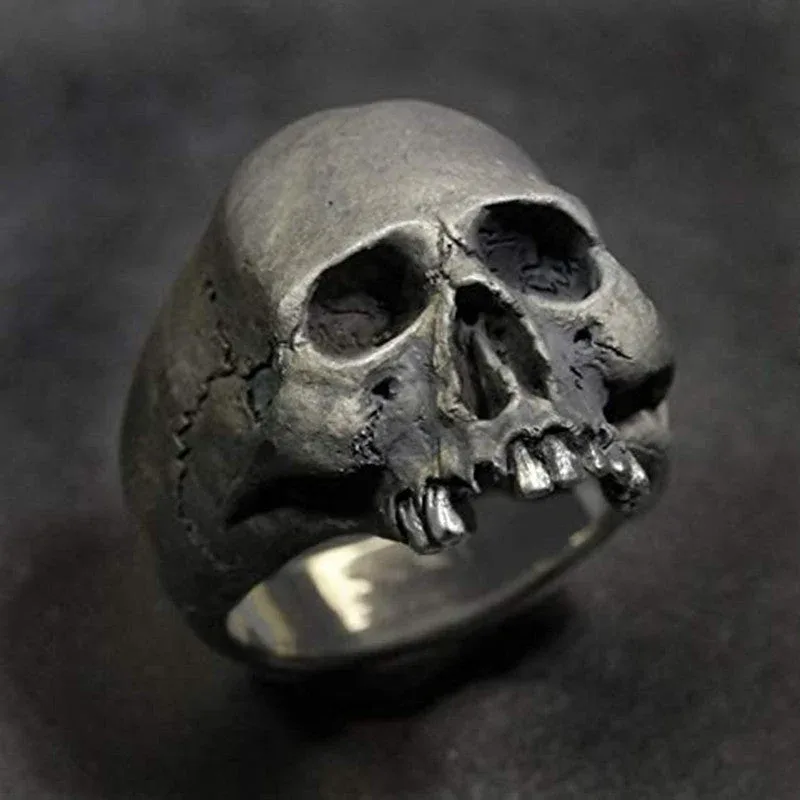
A detailed cast piece like the Unisex Skull Ring shows exactly why care matters: the deep crevices around the skull collect sweat and lotion residue, and that is where tarnish starts. A quick wipe after wearing keeps the detail crisp.
7 Habits That Keep Gothic Jewelry Looking New
These are the habits dark-fashion communities repeat most often — and they work for rings, chains, pendants, and cuffs alike.
- Take it off before water. Showers, pools, and the ocean are the fastest way to kill a finish. Chlorine strips protective layers; salt water accelerates oxidation. This single habit prevents most tarnish.
- Wipe it down after wearing. A soft, dry cloth removes sweat, oils, and lotion before they react with the metal. Thirty seconds per piece is enough.
- Perfume and lotion first, jewelry second. Apply cosmetics, let them dry fully, then put your pieces on. Fragrance and sunscreen chemicals are notorious for dulling plated finishes.
- Store pieces separately in sealed bags. Air and humidity do the slow damage. One small zip bag per piece keeps chains from tangling and air off the metal. Add a silica gel packet if you have one.
- Rotate your daily pieces. Wearing the same ring 24/7 concentrates all the wear in one spot. Rotating two or three favorites lets each piece fully dry out between wears.
- Keep rings off during workouts and manual work. Sweat plus friction is the tarnish fast-track. Gym sessions and heavy lifting are jobs for bare hands.
- Dry pieces completely before storing. Never put away a damp ring or chain — trapped moisture in a sealed bag is worse than open air.
How to Clean Tarnished Jewelry at Home
Light dullness comes off with nothing more than a soft cloth and patience — rub gently, following the detail rather than scrubbing across it. For stubborn tarnish on solid metal, a paste of baking soda and water applied with a soft toothbrush lifts oxidation out of engraving and crevices. Rinse quickly and pat fully dry.
For plated pieces, be gentler: abrasive pastes can strip the very plating you are trying to save. Warm water with a drop of mild dish soap, a soft brush, and thorough drying is the safe routine. Ultrasonic cleaners suit solid stainless steel but are risky for plated or stone-set pieces.
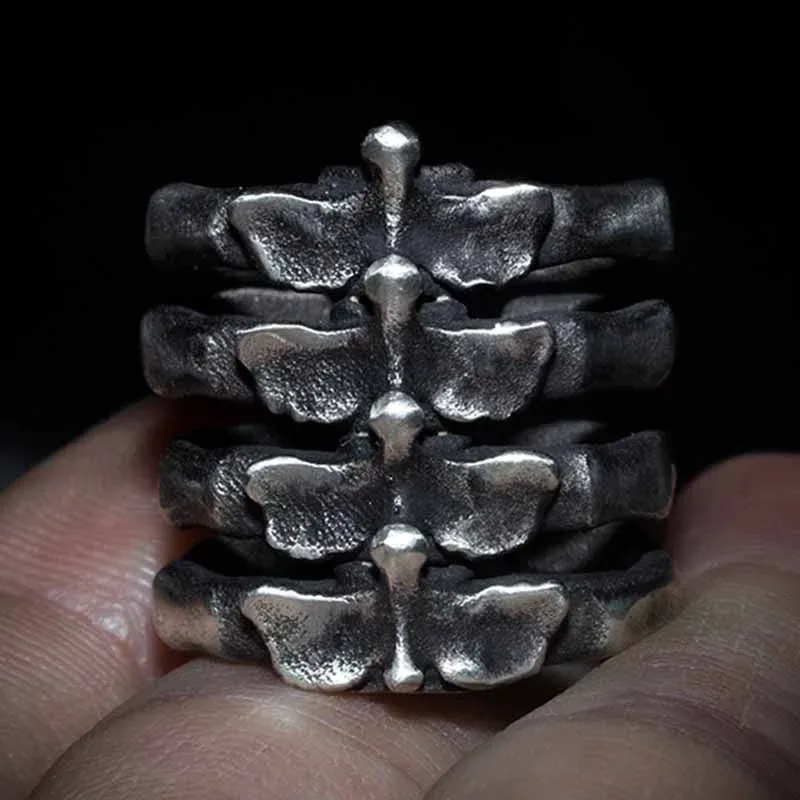
Textured designs like the Men’s Backbone Ring reward regular light cleaning: the ridges that give it that armor-like edge are also where grime hides. A soft brush every couple of weeks keeps the texture sharp.
Buying Smarter: How to Spot Jewelry That Lasts
Customer reviews of gothic jewelry tell a consistent story: the pieces people still love years later were bought with material awareness. Before buying, check the description for the actual metal — “stainless steel” or “316L” beats a vague “alloy” or “metal” for everyday wear.
Note how the finish is described. “Plated” means a thin surface layer that will eventually wear at friction points — fine for statement pieces, but know what you are getting. Solid metal with an antique or blackened finish hides wear far better than bright plating.
Chains deserve special attention: inspect the clasp and link construction in product photos. A piece like the Gothic Chain Bracelet takes constant movement, so sturdy links and a secure clasp matter more than with a static pendant.

Finally, buy from stores that show real product photos and clear material info. If a listing hides the metal type entirely, that is your answer.
Frequently Asked Questions
Will stainless steel gothic jewelry turn my skin green?
No. Quality 316L stainless steel contains no reactive copper and forms a protective chromium oxide layer, so it cannot produce the green salts that stain skin. If a “steel” piece greens you, it is likely plated over a copper base.
Can I shower with my gothic rings on?
Occasionally yes, but don’t make it a habit. Soap residue dulls fine detail, and hot water plus steam accelerates tarnish on plated and alloy pieces. Solid stainless steel tolerates it best — but less water still means longer life.
How do I stop chains from tangling in storage?
Store each chain in its own sealed bag with the clasp closed. For extra protection, thread the chain through a drinking straw before bagging it — an old jewelry-box trick that works perfectly.
Final Thoughts
Gothic jewelry is meant to be worn hard — at shows, on the street, every day. Tarnish is not a sign of failure; it is chemistry, and chemistry can be managed. Choose the right metal for how you’ll wear the piece, keep it dry, wipe it down, and store it sealed. Do that, and your skulls, chains, and crosses will stay dark and sharp for years.
4 Comments