Gothic Clothing Quality Guide: 7 Red Flags That Scream Cheap (and How to Shop Smarter)
How do you tell quality gothic clothing from cheap fast-fashion copies? Check the metal (stainless steel won’t turn your skin green), the boning (steel, not plastic), the faux leather backing, seam stitching, print quality, and how studs are attached. This guide breaks down 7 red flags — and a 60-second quality check you can use on any product page.
Every goth has a horror story: the corset that warped after two wears, the “silver” ring that turned a finger green by Friday, the faux leather jacket peeling before the first concert. r/GothFashion repeats the same complaints — thin fabrics, loose studs, dead zippers, photos that lie. Cheap copies flood the market because gothic details cost real money to make well. Here are the 7 red flags experienced goths check before buying.
Red Flag #1: “Mystery Metal” Jewelry
The most common complaint in gothic jewelry reviews is also the easiest to avoid. If a listing just says “alloy” or “fashion jewelry” with no specifics, assume nickel-heavy base metal — the stuff that turns skin green, triggers rashes, and tarnishes within weeks. Our jewelry tarnish guide covers the chemistry in depth.
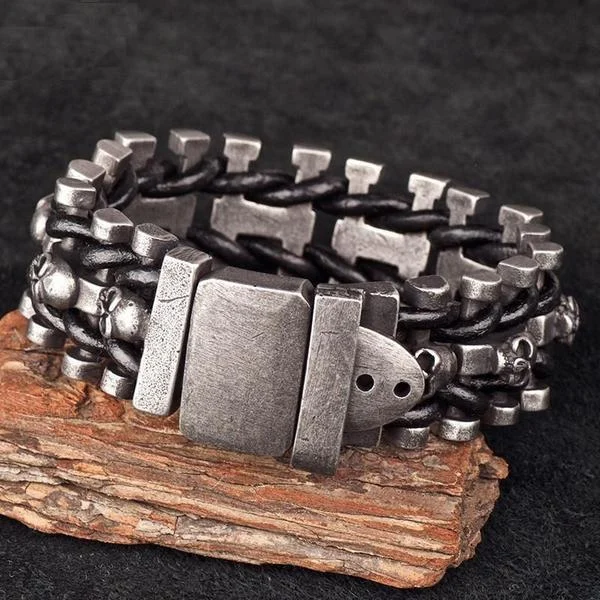
What to look for instead: named materials. 316L stainless steel doesn’t rust, tarnish, or stain skin. Pieces like the Leather Woven Stainless Steel Skull Bracelet pair a stainless skull with woven leather — the dark look without the green-finger tax.
Red Flag #2: Plastic Boning in Corsets
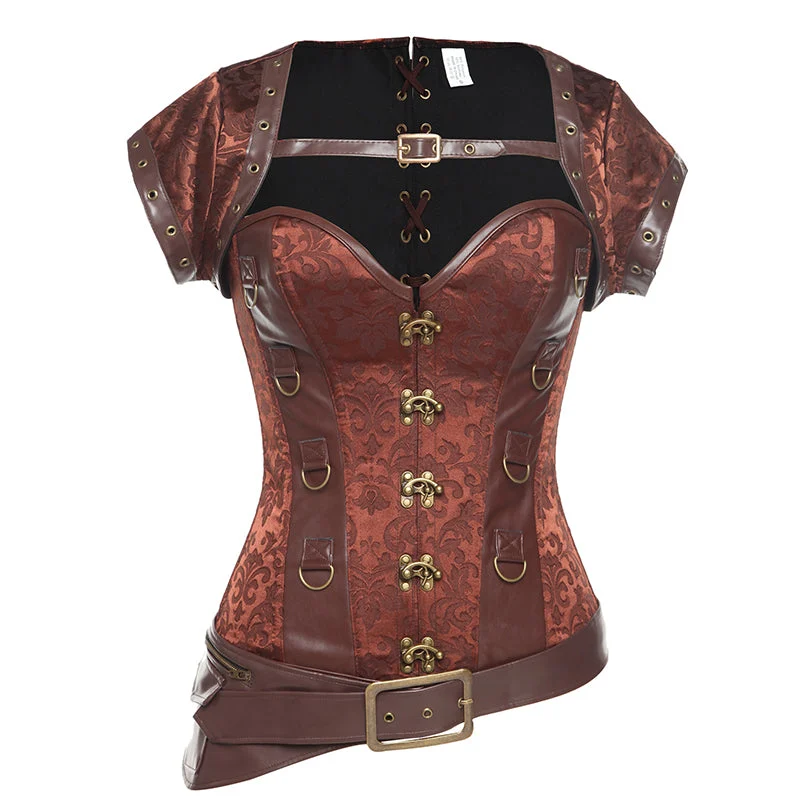
A real corset shapes; a cheap one just wrinkles. The difference is the boning. Quality corsets use spiral or flat steel boning that holds its curve for years. Budget copies use plastic boning, which warps with body heat, bends permanently at the waist, and eventually pokes through the fabric. If the listing doesn’t say “steel boned” explicitly, it isn’t.
Also check the lacing: metal grommets in a reinforced back panel distribute tension evenly, while eyelets punched through thin fabric tear out. The Forest Warrior Corset uses proper steel boning with reinforced lacing — the construction our first corset buying guide recommends for beginners.
Red Flag #3: Flimsy Bags With Weak Hardware
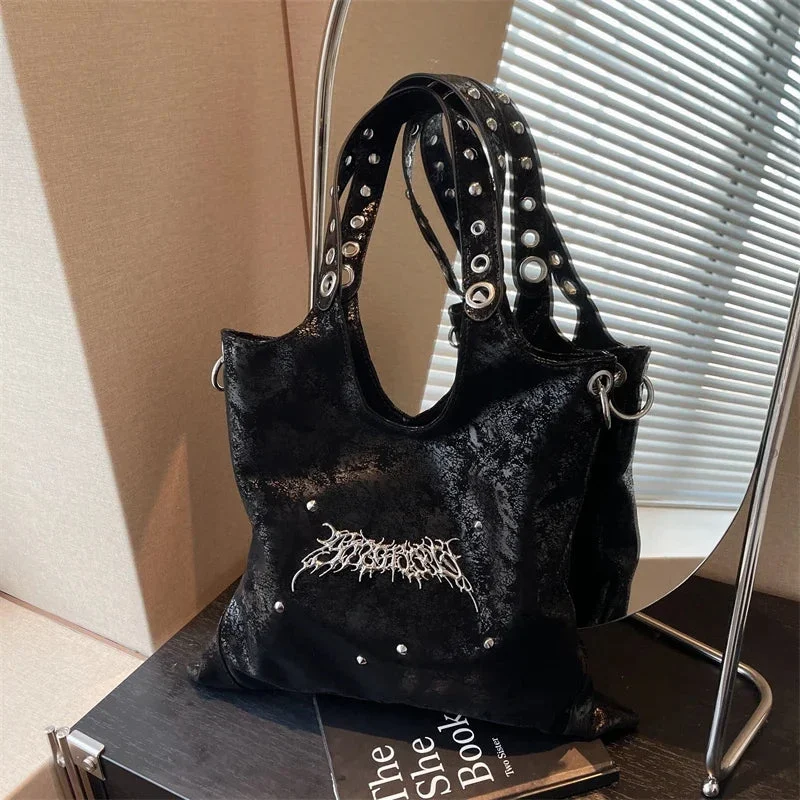
Gothic handbags take abuse — daily carry, concert crowds, rain. The failure points are always the same: stitching that unravels at the strap anchors, zippers that jam or snap, and linings that shred. The complaint pattern across cheap goth retailers repeats: great in photos, falling apart within a season.
Before buying, zoom into the strap attachments and zipper pulls. Look for double stitching or rivets at stress points, smooth metal zippers, and a proper lining. A well-built piece like the Women’s Gothic Velvet Bag uses sturdy hardware and clean finishing — the durability checklist from our gothic handbag durability guide: straps, zipper, lining — before price.
Red Flag #4: Faux Leather With Paper-Thin Backing
Faux leather is a gothic staple, and quality varies wildly. The giveaway is the backing fabric: good faux leather has a woven fabric backing that flexes with you, while cheap PU is bonded to a thin layer that cracks at stress points — elbows, knees, seat — within months. Close-ups showing a plasticky, uniform shine with no grain texture mean peeling is coming.
Smell matters too, if you’re buying in person: strong chemical off-gassing signals cheap PU that will crack faster. Our faux leather care guide explains how conditioning and proper storage can double the lifespan of even mid-range pieces.
Red Flag #5: Single-Stitch Seams and Loose Threads
Flip any garment inside out and the seams tell the truth. Quality gothic clothing uses double stitching or overlocked edges on stress seams: crotch, underarms, waistbands. Single-stitch seams with loose thread ends are the classic fast-fashion shortcut — and why cheap goth pants split mid-pit.
This is also where sizing honesty shows up. Reputable sellers publish real garment measurements; copy-paste dropshippers list “S/M/L” with no numbers. If there’s no size chart with actual inches or centimeters, walk away — our gothic sizing guide explains why goth brands run small and how to measure yourself.
Red Flag #6: Prints That Crack After One Wash
Band tees and graphic prints are goth essentials, and print quality is where cheap sellers cut hardest. A quality screen print feels soft and integrated into the fabric; a cheap heat-transfer print sits on top like a sticker and cracks after a few washes — the classic “print peeling” Amazon review complaint.
Check fabric weight too: thin, see-through cotton pills and stretches out fast. A mid-weight cotton or cotton blend holds prints better and keeps its shape. Our band tee care guide covers washing tricks — cold water, inside out, hang dry — that protect even decent prints for years.
Red Flag #7: Studs and Spikes Held On With Hope
Studs, spikes, and rivets are signature gothic hardware — and the #1 thing that falls off cheap accessories. Quality pieces use prong-set or screw-back studs with prongs folded flat inside. Cheap ones glue studs on, or leave prongs unfolded so they snag skin and work loose. Sharp prong tips inside a studded belt or choker mean a comfort problem and a durability warning.
The 60-Second Quality Check (Use It on Every Product Page)
Run this checklist on any gothic clothing product page before you buy — it takes under a minute:
Materials
Are materials named specifically (316L stainless steel, steel boning, cotton GSM) or hidden behind “alloy” and “fabric”? Named materials are accountable materials.
Close-Up Photos
Does the listing show zoomed shots of seams, hardware, and zippers? Sellers hiding details are hiding flaws. No close-ups, no purchase.
Reviews Mentioning Durability
Search reviews for “months,” “wash,” and “fell apart.” A product with six-month follow-ups praising durability beats a hundred “arrived fast!” ratings.
Size Chart With Real Numbers
Real measurements in inches or centimeters signal a seller who has handled the garment. Vague S/M/L with no numbers signals a dropshipper who hasn’t.
Return Policy
A seller confident in quality offers reasonable returns. “No returns on sale items, buyer pays return shipping to another continent” is the classic cheap-copy business model — it profits from you keeping things you’d otherwise send back.
FAQ
Is expensive gothic clothing always better quality?
Not always — price and quality correlate but don’t match perfectly. Some mid-priced pieces use excellent materials while some overpriced ones are the same factory goods with a bigger markup. The 60-second check above beats the price tag as a quality signal every time.
Why does my gothic jewelry turn my skin green?
Green skin comes from copper and nickel in cheap base-metal alloys reacting with sweat. Switching to 316L stainless steel jewelry eliminates the problem, since stainless doesn’t contain those reactive metals in meaningful amounts.
Are steel-boned corsets worth the extra money?
Yes, if you’ll wear it more than a few times. Plastic boning warps with body heat and loses shape within months; steel boning holds its curve for years and can be re-laced indefinitely. Cost per wear strongly favors steel.
2 Comments